RSS

The Great Edmonton Housing Plan: Everybody Should Live Somewhere Else.

For more than 65 years, Edmonton has wanted the rewards of growth while fighting over who should have to accommodate the row houses, apartments, townhouses, skinny homes and now multiplexes that come with it.

Right now, we are protecting ourselves from multiplexes.

Homeowners across established neighbourhoods have turned to restrictive covenants to limit redevelopment, while the complaints around infill have remained remarkably consistent over the years: too tall, too many units, too many cars, not enough parking, lost trees, lost sunlight, lost privacy, construction and the increasingly distressing discovery that cities continue changing after we buy a house in them.

Somehow we have been surviving it against all odds for more than 65 years.

In 1960, Killarney residents petitioned against row housing, warning of a “wall effect.” In 1963, a Garneau resident warned that apartments would worsen traffic, destabilize the neighbourhood and might even help create a “red light district.” In 1968, 531 Londonderry homeowners opposed higher-density zoning, citing inadequate parks and apartment sites they said had not appeared on plans when they bought.

Garneau, remarkably, survived the red-light-district apocalypse. It survived so thoroughly that apartments once feared as threats are now simply part of Garneau.

Homeownership has a strange tendency to expand emotionally beyond the property line. The neighbour owns the lot, but surely we should retain some veto over how many kitchens appear on it. The street is public, but the parking space in front of our house has somehow become a treasured family heirloom. The empty lot belongs to somebody else, but we have been looking at it for twelve years, which frankly feels like equity.

Restrictive covenants take that instinct one step further. They attempt to extend today's preferences into the future, over property we may no longer own in a neighbourhood we may no longer live in.

We have arrived at one particular moment in a city barely more than a century old, looked around and apparently concluded: Yes. This is it. We nailed it. Everybody put your pencils down.

This Development Will Ruin the Neighbourhood. Again.

In 1991, Clareview residents fought a plan for 1,600 homes near the LRT. The logic was almost suspiciously straightforward: trains need passengers, and passengers are easier to find when they live near the train. More than three decades later, Edmonton still debates transit-oriented development as though somebody recently burst from a laboratory shouting, “Wait. What if we put the people near the transit?”

In 2001, Mill Woods residents fought higher-density housing on land they believed would remain open. One resident compared the development to a “sore.” An open field behind your house is lovely. The interesting part is how quickly somebody else's undeveloped property becomes an amenity we feel entitled to preserve.

By 2008, we had nearly perfected the argument. Neighbours opposed a Habitat for Humanity project in Beacon Heights, producing an Edmonton Journal headline worthy of framing: “Habitat's OK. It's the plan that neighbours oppose.” Affordable housing? Absolutely. Habitat for Humanity? Wonderful. Housing actual lower-income families here? Now we need to discuss compatibility.

Then came skinny houses. By 2017, homeowners were organizing restrictive covenants beneath signs declaring “NO LOT SPLITTING.” Two homes where there had been one required legal protection. Nine years later, two homes barely qualify as the emergency.

Now it is the multiplex.

Row housing. Apartments. Townhouses. Skinny houses. Multiplexes. For more than six decades, Edmonton has repeatedly discovered the precise form of housing that will finally destroy the neighbourhood.

Growth Is Wonderful Until It Needs an Address

Edmonton loves growth. We celebrate population records, court investment and cheer new employers, restaurants, flights and construction. We want more customers, more taxpayers and, conveniently, more demand for the real estate we already own.

The City is explicitly planning for a future Edmonton of two million people.

There is one small logistical problem with all this prosperity: the people are going to need homes.

They cannot live in the population forecast. The nurse cannot sleep in the economic-development strategy. The teacher cannot raise a family inside GDP growth. Eventually all these wonderful new Edmontonians have to stop contributing to the economy for the evening and go somewhere.

This is where our enthusiasm becomes strangely conditional. We want the nurse at the hospital, the teacher at the school, the tradesperson building our infrastructure, the server at the restaurant and the customer keeping the neighbourhood coffee shop alive.

We become less enthusiastic when they need an actual home.

Apparently the ideal new Edmontonian arrives, gets a job, pays taxes, supports local businesses, rides the LRT, increases our property value and then politely dematerializes somewhere around the Henday at bedtime.

We Want Our Houses to Get More Expensive. We Also Want People to Afford Them.

We want Edmonton to grow. More jobs, investment, businesses and people choosing to live here.

And when a city becomes more desirable, something wonderfully predictable happens:

Our homes become more valuable.

We track assessments, celebrate record sales and tell our friends what the house down the street sold for. If we bought for $400,000 and can sell for $800,000, we rarely call an emergency meeting about the affordability crisis occurring on our own land title.

But now our $800,000 asset is somebody else's $800,000 entry fee.

The same thing happens within the mature neighbourhoods people most want to live in. There is only one Glenora, one Garneau, one Highlands, one Belgravia, one Riverdale and one Westmount. We cannot manufacture another Highlands ten kilometres away. The mature trees, river valley, architecture, central location, schools, parks and decades of public investment are attached to the land.

More people want in. That demand helps make the homes we already own more valuable.

Great.

So we have two basic options: allow more households to share desirable land, or preserve the scarcity and let everyone fight over it.

One gives us more housing.

The other gives us excellent comparable sales.

Then somebody proposes the first option: a duplex, a skinny house, a row house, a multiplex.

Whoa. Not like that.

It will ruin the neighbourhood. Destroy the reason we chose to live here. This is a family neighbourhood.

Which raises an awkward question: what happens to a family neighbourhood when the families grow up?

Neighbourhoods age with the people who live in them. A young couple moves in. Children arrive. Five people fill the house. Twenty-five years pass. The kids grow up and leave. The parents stay.

The house that once held five now holds two, and eventually perhaps one. The house remains. The lawn remains. The mature elm remains. The bedrooms remain.

We preserved everything except the population.

Then we look down the street and wonder where all the kids went.

They grew up.

And now the next generation would quite like the opportunity to raise their families here too.

So somebody proposes adding more homes.

Oh.

A neighbourhood cannot age in place, shrink in household size, become increasingly expensive and add few homes while somehow remaining full of young families through the sheer force of community-league enthusiasm.

At some point, we have to decide whether a “family neighbourhood” means a place where the next generation of families can actually live, or a place preserved to resemble the moment when our families lived there.

We Hate Sprawl Until Infill Appears Next Door

Edmonton is too spread out. Infrastructure costs too much. Traffic is getting worse. Transit cannot efficiently serve everything. We should protect agricultural land and make better use of the roads, pipes, schools and services we already paid for.

Excellent. I'm in.

Then the excavator shows up next door.

Wait. NEXT DOOR?

A multiplex? Beside MY HOUSE?!

Suddenly the fiscal irresponsibility of endless suburban expansion deserves a more nuanced discussion.

Because sprawl has one enormous advantage: you can't see it from your kitchen.

Another subdivision is somewhere at the edge. Another sewer is underground. Another interchange is buried in a capital budget. Another twenty-minute commute belongs to somebody we will never meet. The costs are enormous, but pleasantly abstract.

So the housing moves outward. The roads and pipes follow. The cars follow the people. We spend more money extending the city because using more of the city we already built turned out to involve the deeply troubling possibility that something near us might change.

Then we look around at the traffic, infrastructure costs and endless outward expansion and arrive right back where we started.

Edmonton is too spread out.

We don't hate sprawl enough to accept the alternative. We just prefer its consequences where we can't see them.

We Want Urban Amenities Without the Urban Part

We want the good stuff: frequent transit, walkable streets, independent restaurants, coffee shops, grocery stores, safe bike routes, interesting main streets and the kind of neighbourhood where you can leave the car at home and still have somewhere to go.

A bus cannot run every ten minutes on good intentions. A restaurant cannot survive on neighbourhood character. A coffee shop cannot pay rent with mature elm trees. Transit needs riders. Businesses need customers. Walkability needs enough people and destinations close enough together to actually walk between them.

Then there is the physical space required for all these wonderful things. A bike lane takes space. So does a sidewalk. So does a tree. So does a bus lane. So does a moving car. So does a parked one.

Naturally, we would like all of them. Keep the trees. Widen the sidewalk. Add the bike lane. Improve transit. Maintain traffic flow. Do not remove parking.

I think Edmonton needs to invent a fourth spatial dimension.

We Fly to Europe to Admire the Things We Fight at Home

Edmonton became a city in 1904. Barely more than a century later, we already talk about some neighbourhoods as though we have completed them.

Which is particularly funny because we then spend thousands of dollars flying to cities that have been changing for centuries.

We wander through neighbourhoods where apartments sit above shops, buildings crowd narrow streets, patios consume sidewalks, trains are packed and parking is terrible. We drink a $14 glass of wine surrounded by five-storey buildings and announce that Europeans really understand cities.

Then we fly home and discover someone wants to build six homes next door.

Absolutely not. Think of the neighbourhood character.

But the cities we admire did not acquire character by resisting change. Their character is accumulated change: buildings added and demolished, houses divided, streets repurposed, transportation replaced and populations transformed.

What looks beautifully permanent to a tourist is often just disruption old enough that nobody remembers the public meeting.

Then, with absolutely no sense of irony, we organized to protect it from tomorrow.

We Do Not Eliminate the Cost. We Move It.

You are allowed to be against growth. If you want Edmonton to stop growing, say so. Fewer people. Less development. Less construction. Less change. Accept the consequences and make the argument.

What does not work is demanding the benefits of growth while insisting its physical consequences belong somewhere else.

When a neighbourhood blocks housing, the people who might have lived there do not disappear. They do not receive a polite email informing them that the neighbourhood has reached capacity and therefore cease requiring shelter.

They go somewhere else.

The housing moves. The commute moves. The infrastructure moves. The affordability pressure moves.

We do not eliminate the cost. We decide who else should absorb it.

And this is us discussing people who can afford housing. Our commitment to somewhere else becomes considerably more enthusiastic when the person needs supportive housing, a shelter or simply somewhere safe to sleep.

For more than 65 years, through petitions, hearings and impending neighbourhood catastrophes, Edmonton has become extraordinarily sophisticated at one particular solution.

Row housing? Somewhere else. Apartments? Somewhere else. Skinny houses? Somewhere else. Multiplexes? Somewhere else.

Affordable housing? Homeless Shelter?

Absolutely. We need it. 

Just...

somewhere else.

Apparently Edmonton can become a city of two million people provided the additional residents have the courtesy not to live near anyone already here.

So oppose growth if that is what you believe. Have the courage to argue for the consequences too.

But if you want the jobs, investment, customers, amenities, tax base and rising value of the land you already own, the people creating that prosperity have to exist somewhere after business hours.

And they take up space.


About the author: Caitlin Heine is an Edmonton REALTOR® and founder of Iconic YEG. She has worked in Edmonton real estate since 2017, with a particular focus on the established and central neighbourhoods where many of the city's conversations about infill, redevelopment and housing change are happening.

Contact Caitlin Heine

Read

Open House. Open House on Saturday, September 19, 2026 1:00PM - 3:00PM

Please visit our Open House at 11122 52 Street NW in Edmonton. See details here

Open House on Saturday, September 19, 2026 1:00PM - 3:00PM

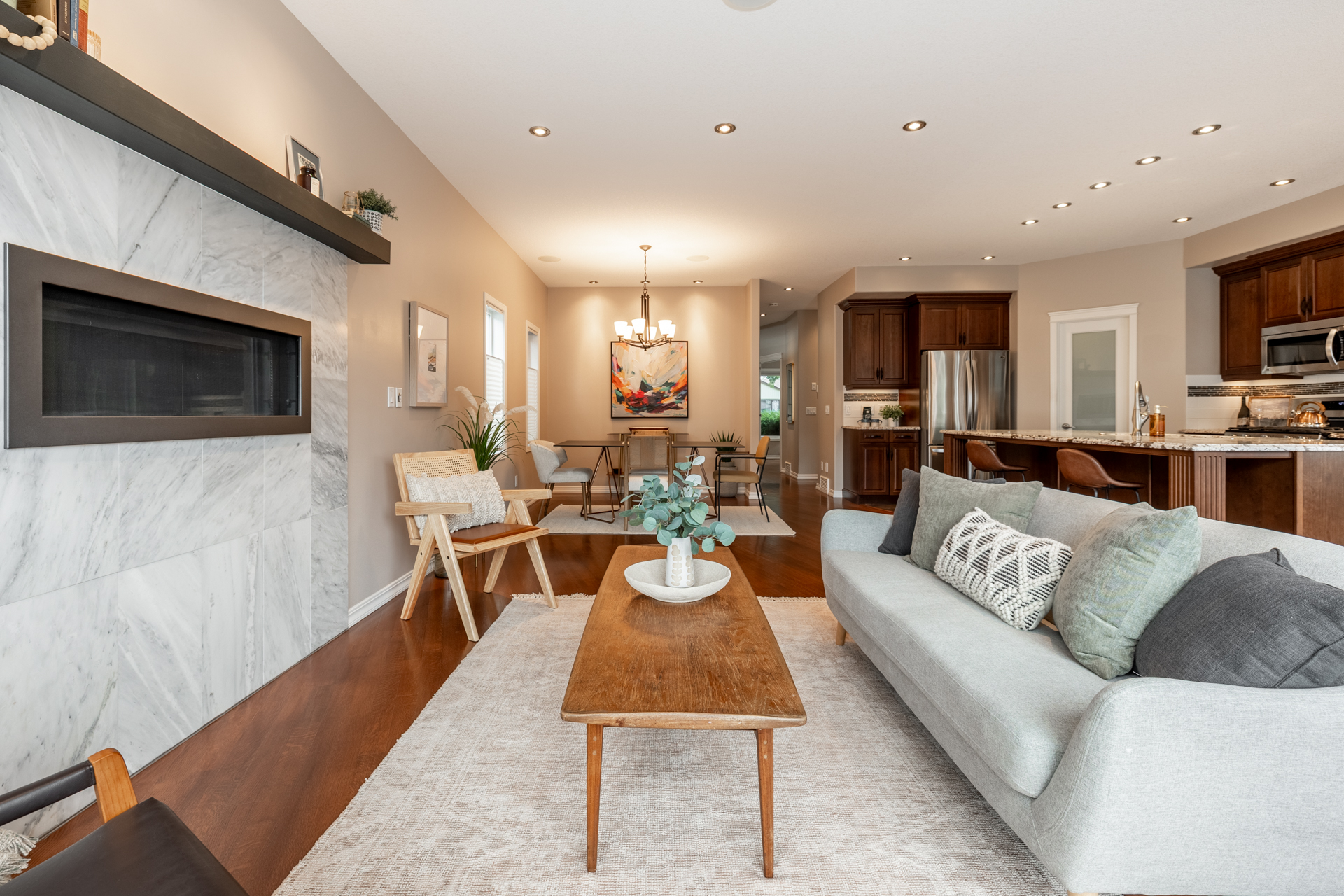
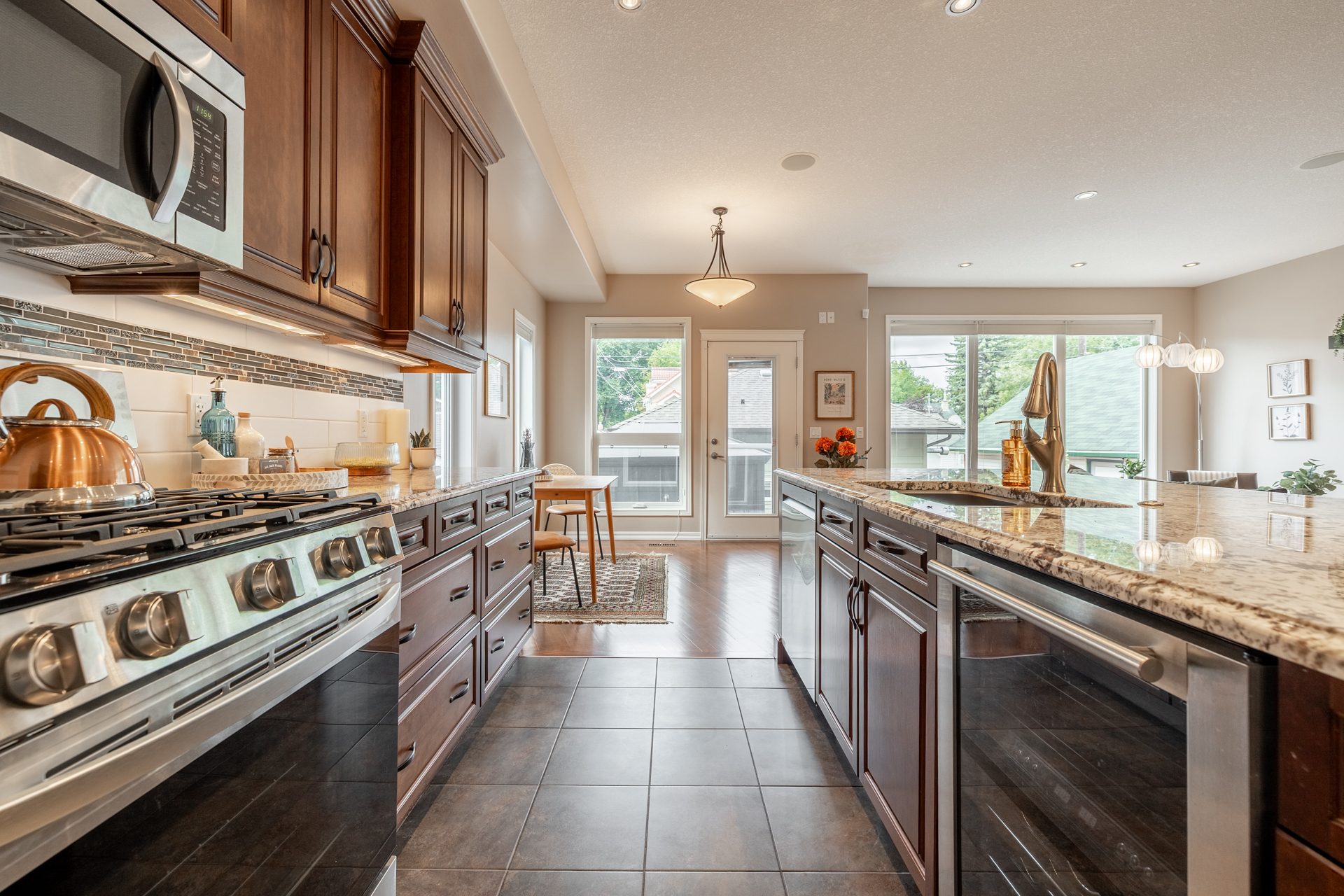
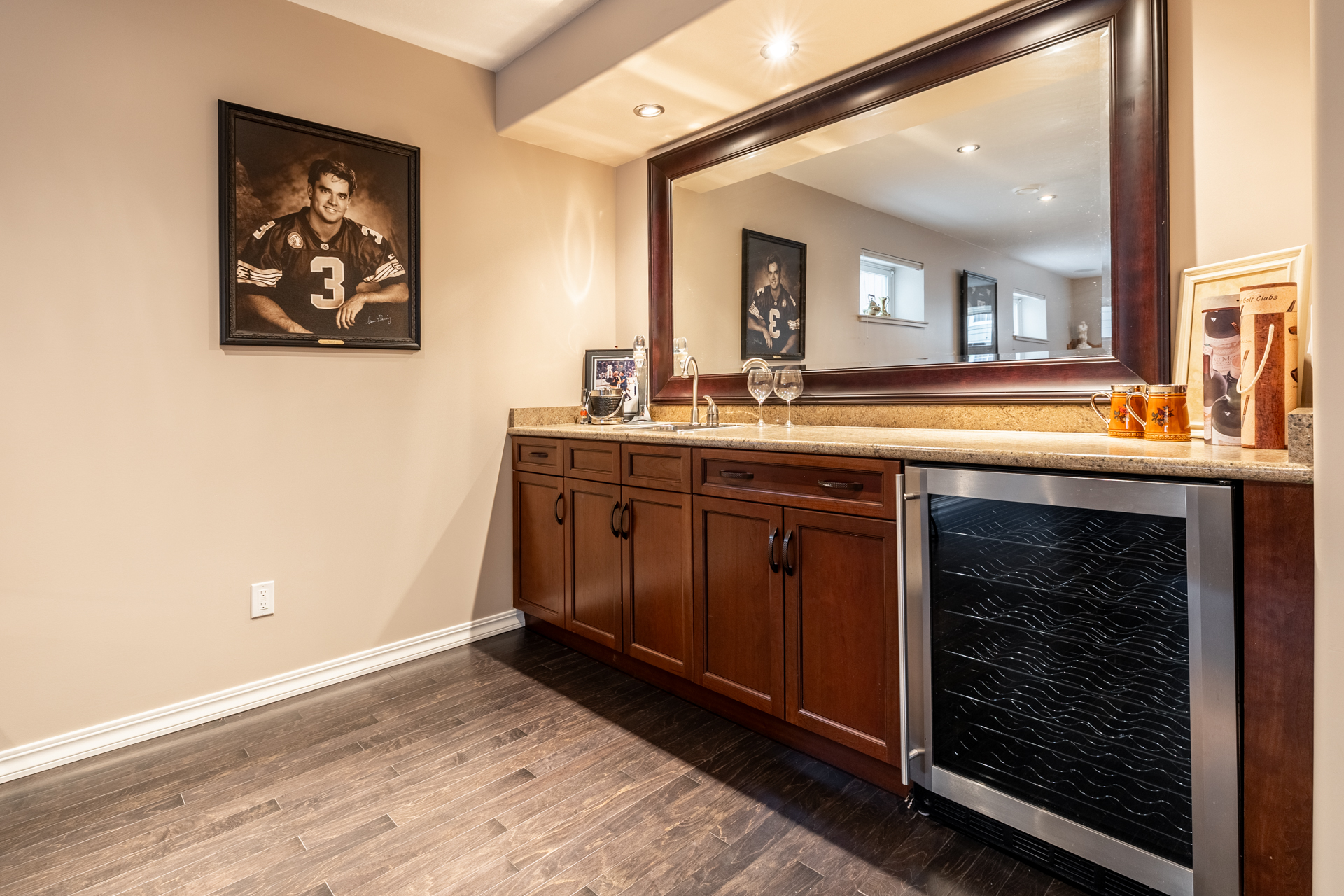
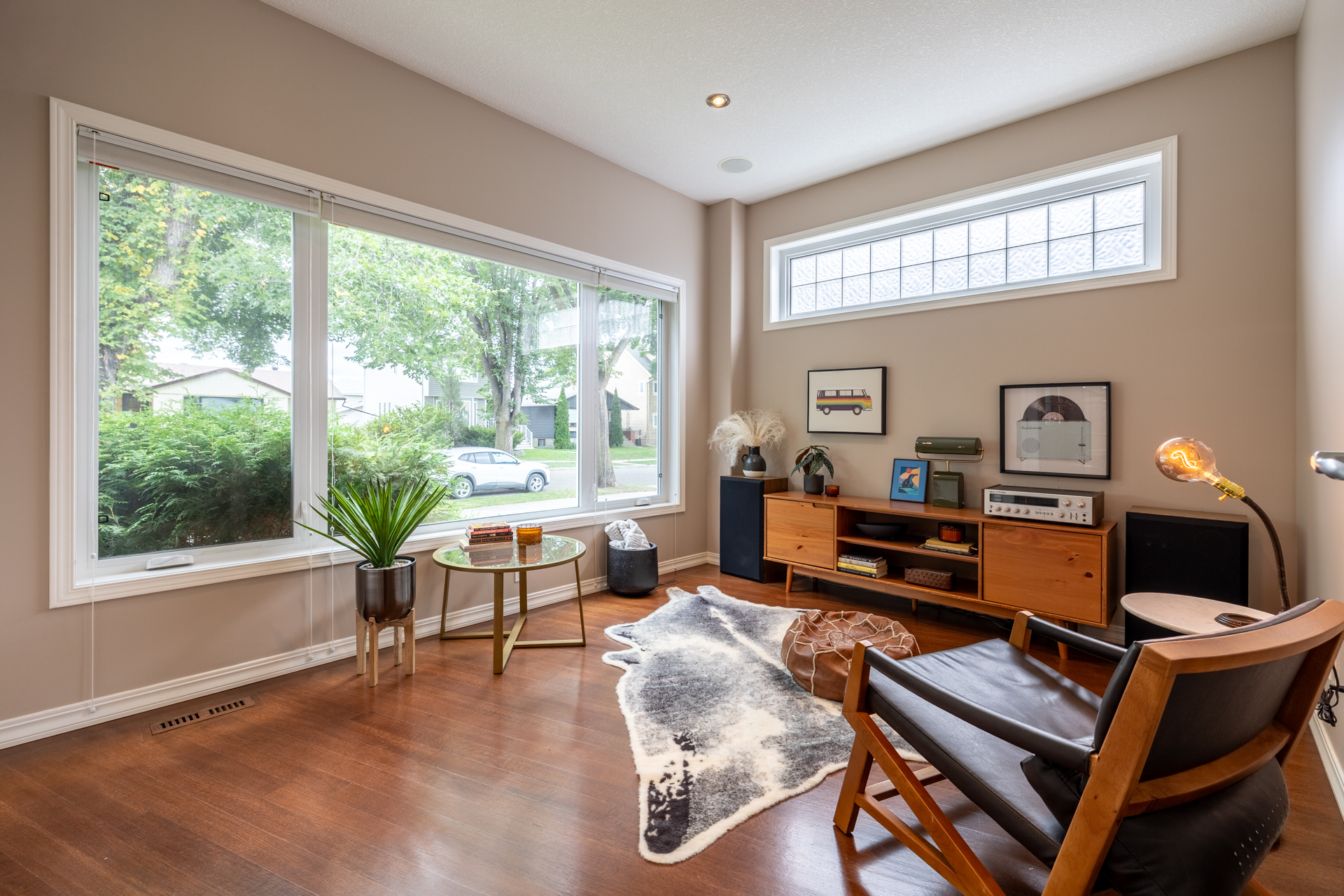
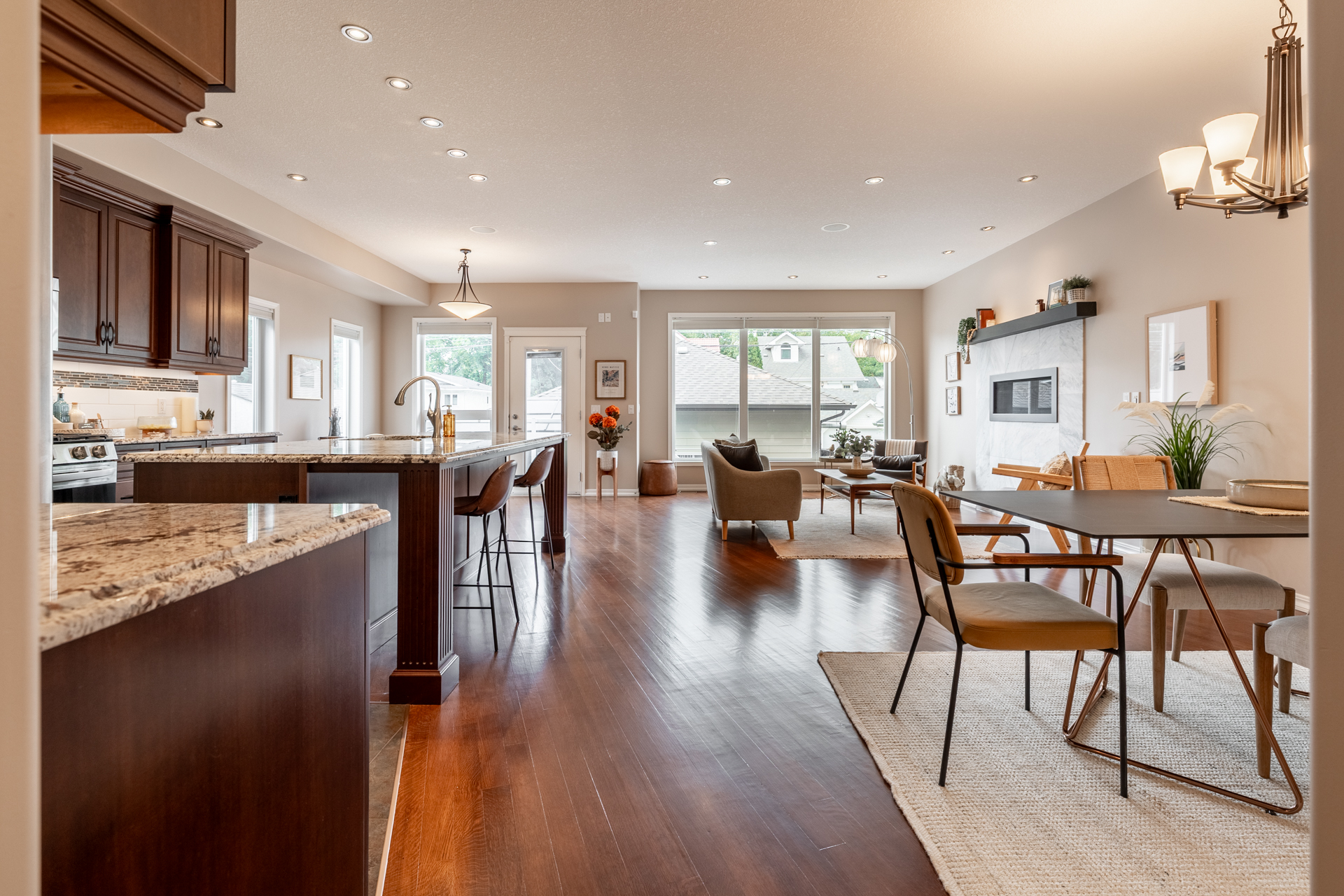
Most infills are built to look expensive. This custom Highlands home was built to be worth it. ICF foundation. Hardie board exterior. Hardwood across all three levels. Inside, 9-ft ceilings, oversized windows and a dramatic 17-ft entry vault set the scale and tone. The kitchen has bold granite, full-height cabinetry, gas range, walk-through pantry and beverage cooler, opening into a great room with a substantial gas fireplace and dedicated dining space. Four bedrooms include a main-floor bedroom/office. Upstairs: vaulted bonus room, generous primary with walk-in closet and spa like ensuite, plus laundry with sink and storage. Downstairs, SEVEN full-sized windows transform the lower level, with a large rec room complete with wet bar, gym space and included pool table. Add 3.5 baths, A/C and multi-zone audio. Outside: west-facing yard, composite deck, aggregate patio, gazebo and oversized heated garage. River valley trails begin half a block away. Built with substance. Surrounded by Highlands.

Read

NEW LISTING: 11122 52 Street NW in Edmonton

I have listed a new property at 11122 52 Street NW in Edmonton. See details here

Most infills are built to look expensive. This custom Highlands home was built to be worth it. ICF foundation. Hardie board exterior. Hardwood across all three levels. Inside, 9-ft ceilings, oversized windows and a dramatic 17-ft entry vault set the scale and tone. The kitchen has bold granite, full-height cabinetry, gas range, walk-through pantry and beverage cooler, opening into a great room with a substantial gas fireplace and dedicated dining space. Four bedrooms include a main-floor bedroom/office. Upstairs: vaulted bonus room, generous primary with walk-in closet and spa like ensuite, plus laundry with sink and storage. Downstairs, SEVEN full-sized windows transform the lower level, with a large rec room complete with wet bar, gym space and included pool table. Add 3.5 baths, A/C and multi-zone audio. Outside: west-facing yard, composite deck, aggregate patio, gazebo and oversized heated garage. River valley trails begin half a block away. Built with substance. Surrounded by Highlands.

Read

Most Infills Are Built to Look Expensive. This One Was Built to Be Worth It.

Just Listed: 11122 52 Street NW | Highlands, Edmonton | $899,000

This custom Highlands home has presence. Warm hardwood runs across all three levels. Bold granite stretches across a substantial kitchen. Full-height cabinetry brings the millwork right to the ceiling. Oversized windows pull the mature neighbourhood into the rooms. The front entry rises 17 feet. The main floor opens wide without losing definition between the kitchen, dining and living spaces.

The Scale Changes Everything

At 2,167 sq. ft. above grade, this isn't an infill trying to squeeze a house onto a lot.

The proportions are generous throughout. Nine-foot ceilings. Wide living spaces. A substantial gas fireplace. A kitchen island that can actually handle people sitting around it. A separate breakfast nook surrounded by windows. A main-floor bedroom or office with another wall of glass.

Upstairs, the vaulted bonus room gives you another living space before you even reach the bedrooms. The primary has room to be a primary, with a walk-in closet and a five-piece ensuite filled with natural light. Even the laundry room is large, with cabinetry, counter space, a sink and storage.

The Quality Is Everywhere

An ICF foundation. Hardie board exterior. Hardwood on all three levels. Full-height cabinetry. Granite. Oversized windows. Central air. Multi-zone audio. An oversized heated garage.

The investment is distributed through the things you see, the things you use and the things holding all of it up.

The cabinetry is substantial because the kitchen is substantial. The windows are large because natural light was prioritized throughout the floor plan. The hardwood continues between levels because quality wasn't reserved for the main floor.

Seven Windows Change the Basement

The finished basement adds another 1,071 sq. ft., bringing the home to more than 3,200 sq. ft. of finished living space.

And it has seven full-sized windows.

That gives the lower level something most basements never get enough of: daylight.

There is a large rec room, wet bar, pool table, gym space and another bedroom. The wet bar continues the cabinetry and granite found elsewhere in the house. The pool table stays. So does the sound equipment.

Built for Highlands

Then there is where they chose to build it.

Highlands is one of Edmonton's great old neighbourhoods, with more than a century of architecture layered into its streets. Century homes sit alongside post-war houses and newer infill. Mature trees tower over lots that were established generations ago. Ada Boulevard follows the river valley. Highlands Golf Club sits below it. Restaurants and independent businesses give 112 Avenue its own small commercial centre.

11122 52 Street brings something different to that landscape: the space and construction of a substantial newer home without giving up the neighbourhood that makes central Edmonton worth living in.

The river valley trails begin half a block from the house.

That puts Highlands Golf Club, Ada Boulevard and the surrounding network of parks and trails into everyday range. Walk. Run. Ride. Golf. Grab dinner on 112 Avenue. Come home.

See What $899K Buys in Highlands

Photos show the design. A showing reveals the scale, construction and the way more than 3,200 sq. ft. actually lives. Come walk through 11122 52 Street, then walk half a block and see what surrounds it.

11122 52 Street NW | Highlands, Edmonton
Offered at $899,000

Book a private showing with Caitlin Heine
ICONIC YEG of RE/MAX Real Estate
587-336-3176 | caitlin@iconicyeg.com

Read

NEW LISTING: 8504 85 Avenue NW in Edmonton

I have listed a new property at 8504 85 Avenue NW in Edmonton. See details here

Rare opportunity in one of Edmonton's most sought-after mature neighbourhoods. This 7,552 sq ft pie-shaped lot in the heart of Bonnie Doon sits on a quiet cul-de-sac with back lane access. Asbestos remediated, and build-ready. No demo. No unknowns. Measuring 38 ft along the cul-de-sac, 100 ft across the rear, with sides running 104 ft and 134 ft, the pie shape widens generously toward the back, delivering exceptional build depth and rear yard flexibility. RS Zoning: this lot qualifies for up to 8 units, row housing, multiplex, infill, or a custom single-family home with suite. The back lane supports a garage suite or secondary access, adding even more development optionality. Steps from the Valley Line LRT, Faculty Saint-Jean, Mill Creek Ravine trails, Whyte Avenue, and the University of Alberta. Perfect for a developer ready to break ground, an investor looking for your next project, or a buyer dreaming of building something truly custom on a large lot in an established central neighbourhood.

Read

NEW LISTING: 10834 125 Street NW in Edmonton

I have listed a new property at 10834 125 Street NW in Edmonton. See details here

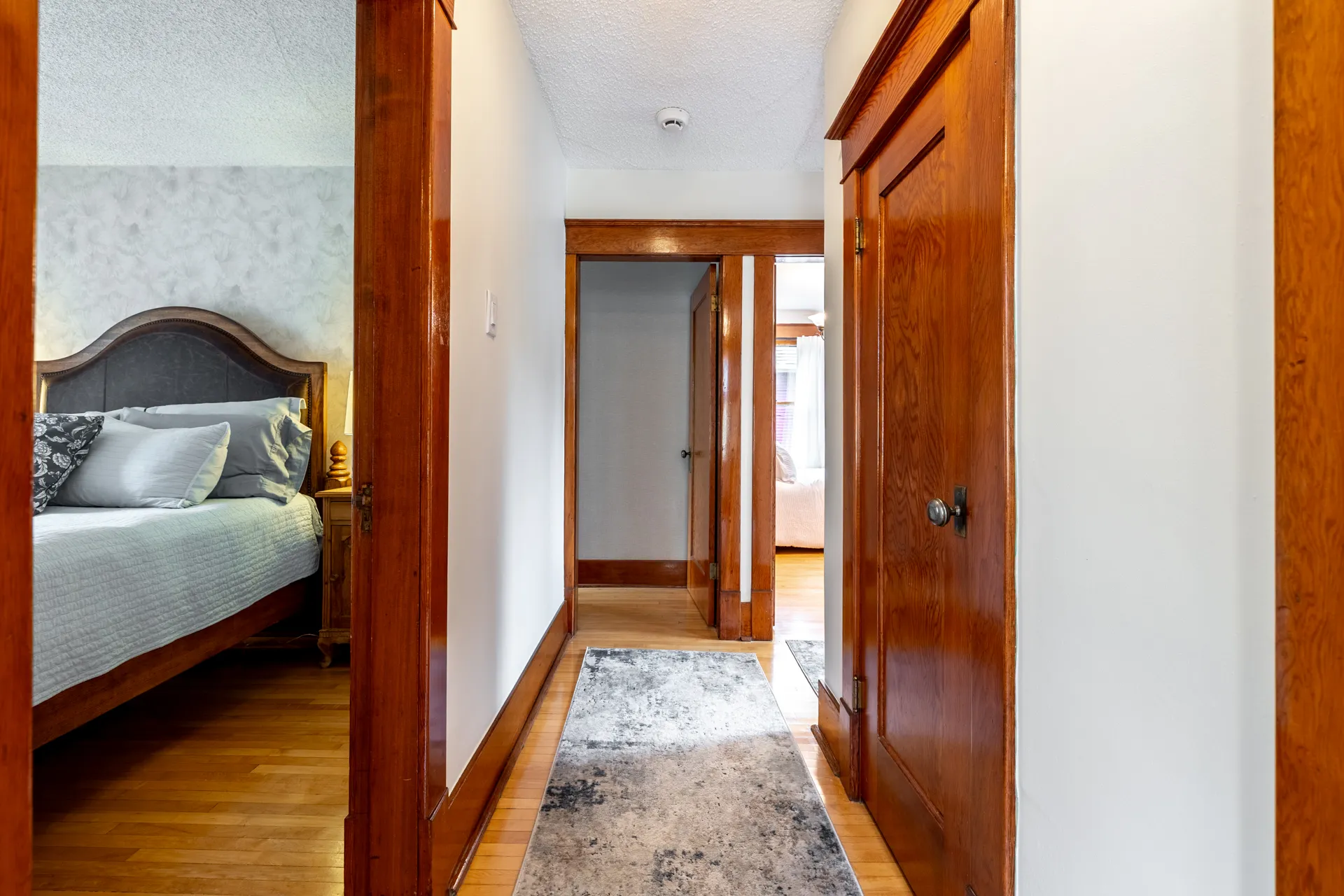
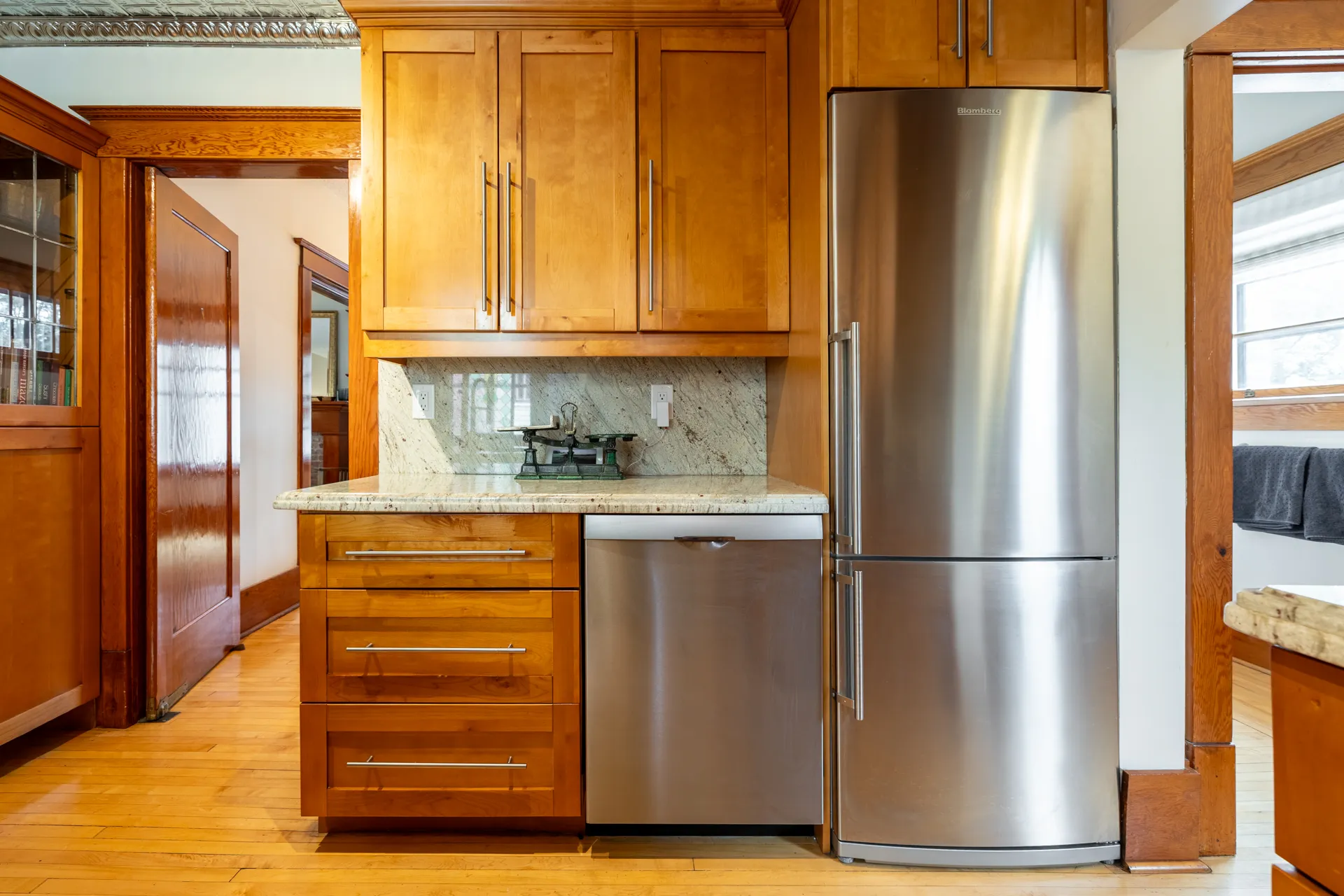
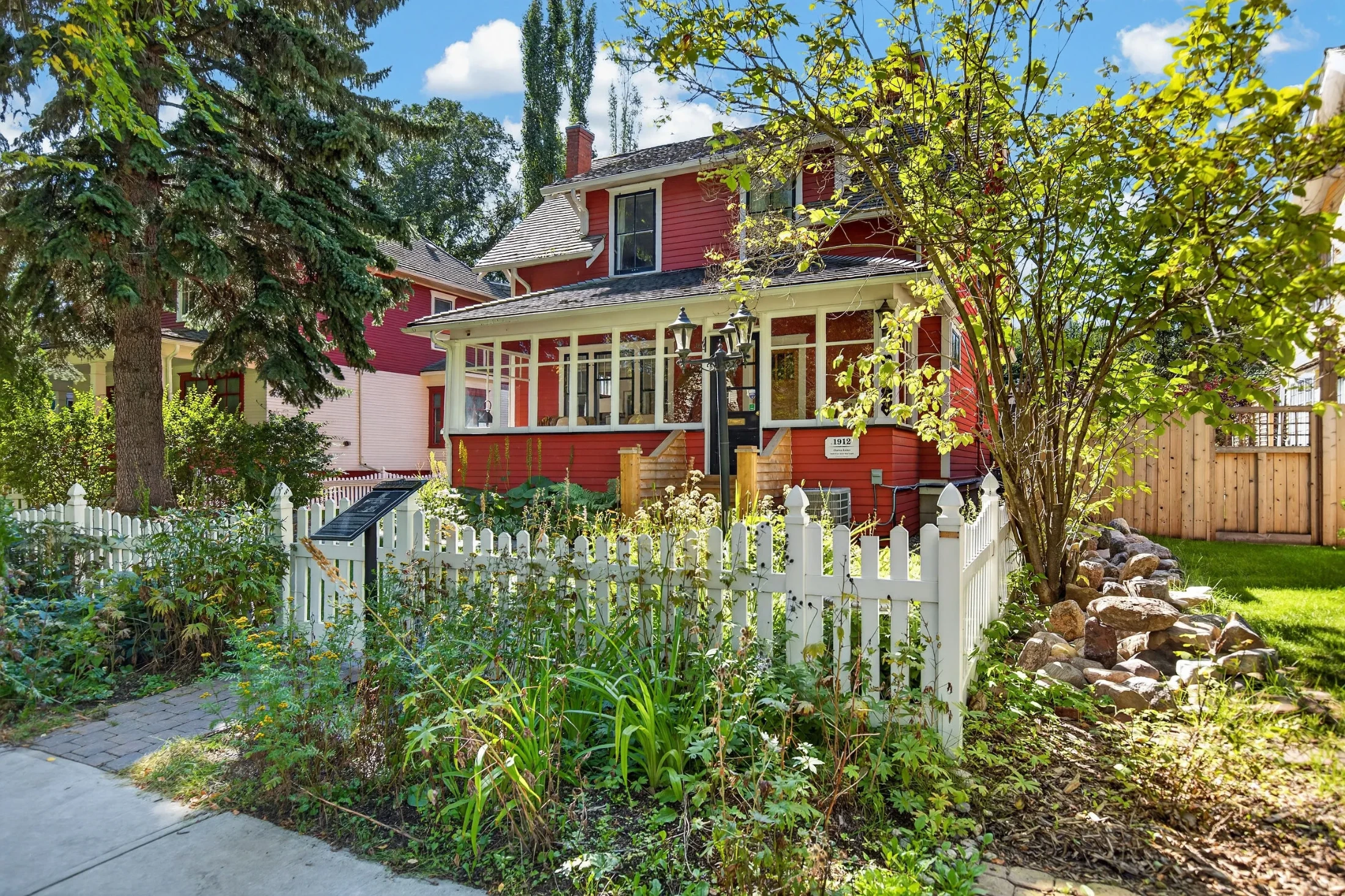
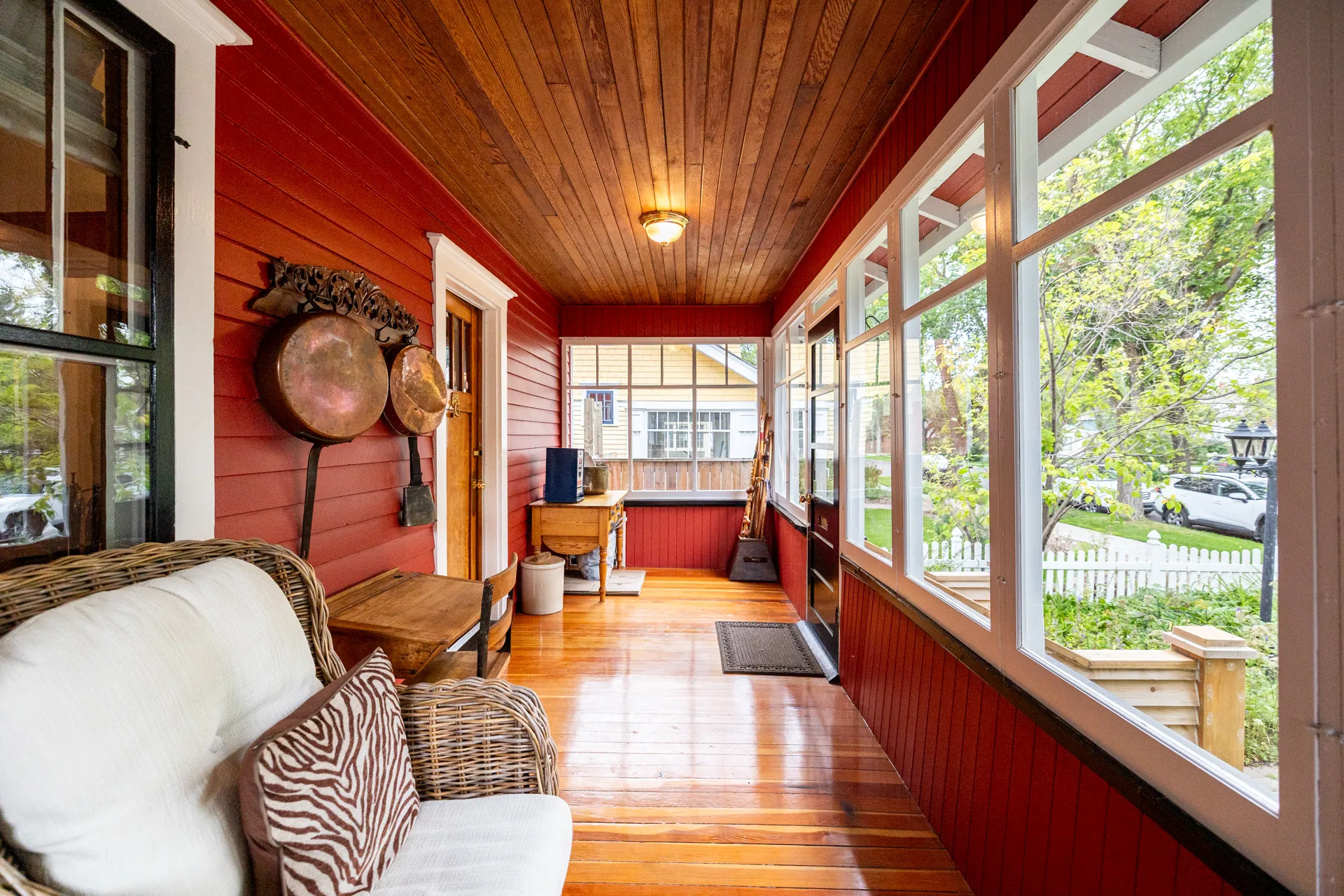
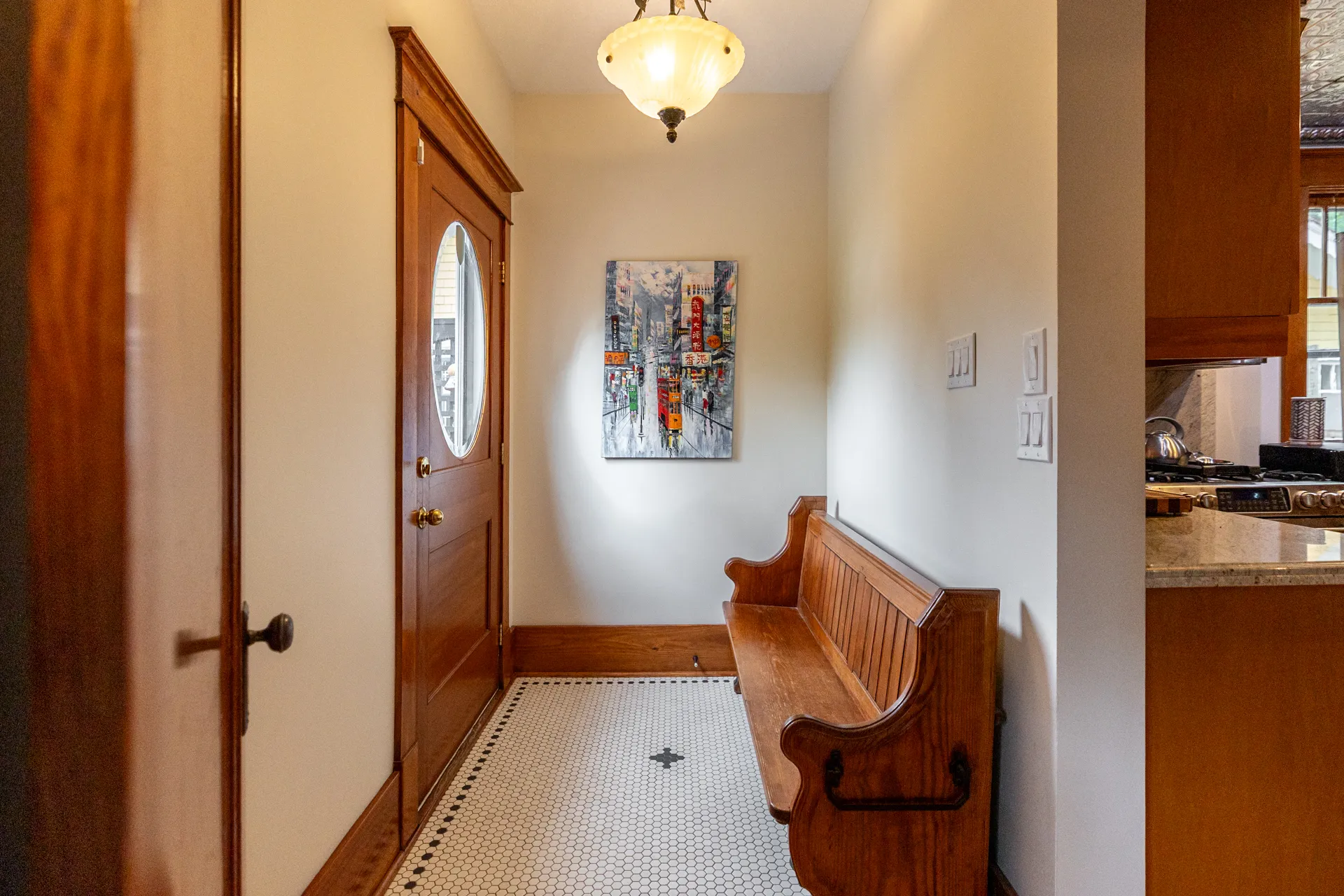
A rare convergence of historic architecture and substantial modern renewal in the heart of Westmount. In 2003, the Charles Barker Residence was lifted onto a new concrete foundation with new sewer, sump and water lines, creating a full-height, in-floor heated lower level. Further improvements include updated mechanical, new central air and a 2023 cedar-shake roof. Offering 2,375+ sq. ft. of total living space, 3 bedrooms and 2.5 baths, the home retains the craftsmanship that makes it exceptional: original hardwood, substantial millwork, glass pocket doors, brick fireplace, enclosed 3 season sunroom, claw-foot tub and pressed-tin ceiling. The 696 m² grounds are equally distinguished, with mature trees, pond, west-facing two-tiered deck and oversized double garage. Just steps from the restaurants, galleries, cafés and independent shops of 124 Street. A remarkably complete Westmount residence, restored for modern life while preserving what makes it exceptional.

Read

Open House. Open House on Sunday, August 30, 2026 1:00PM - 3:00PM

Please visit our Open House at 10834 125 Street NW in Edmonton. See details here

Open House on Sunday, August 30, 2026 1:00PM - 3:00PM

A rare convergence of historic architecture and substantial modern renewal in the heart of Westmount. In 2003, the Charles Barker Residence was lifted onto a new concrete foundation with new sewer, sump and water lines, creating a full-height, in-floor heated lower level. Further improvements include updated mechanical, new central air and a 2023 cedar-shake roof. Offering 2,375+ sq. ft. of total living space, 3 bedrooms and 2.5 baths, the home retains the craftsmanship that makes it exceptional: original hardwood, substantial millwork, glass pocket doors, brick fireplace, enclosed 3 season sunroom, claw-foot tub and pressed-tin ceiling. The 696 m² grounds are equally distinguished, with mature trees, pond, west-facing two-tiered deck and oversized double garage. Just steps from the restaurants, galleries, cafés and independent shops of 124 Street. A remarkably complete Westmount residence, restored for modern life while preserving what makes it exceptional.

Read

Buying a Home in Edmonton? Stop Chasing Perfect

I’ve noticed buyers becoming less willing to imagine what a home could be. In a world of perfect interiors and endless inspiration, it may be time to reconsider what actually makes a house worth buying.

Edmonton Home Buyers Are Looking at Houses Differently

After nine years in Edmonton real estate, one of the biggest changes I have noticed has very little to do with prices, interest rates or inventory.

Buyers seem to have become less willing to imagine possibility.

Earlier in my career, I staged the odd house when it really needed help. Today, I find myself considering staging for almost every listing. Not because there is anything actually wrong with the house, but because buyers increasingly seem to need to see the finished picture before they can understand what a space could become.

Maybe that is inevitable in the world we live in now.

We spend an enormous amount of time looking at Instagram, Pinterest, TikTok, renovation shows and beautifully photographed real estate listings. We see perfect kitchens, perfect nurseries, perfect mudrooms and bathrooms containing approximately fourteen different sources of ambient lighting.

We are constantly consuming the finished version of other people's homes.

I think it has made us very good at recognizing what we like.

I am not convinced it has made us better at imagining what isn't already there.

And when you are buying a home, that can become an expensive limitation.

When Did “Pretty” Become the Same Thing as “Good”?

Somewhere along the way, pretty started functioning as a shortcut for good.

A house can be incredibly well built, meticulously maintained, on a beautiful lot, in a great Edmonton neighbourhood, with wonderful natural light and years of useful life left in it, and still be dismissed because the cabinets are oak.

Meanwhile, another house can be newly renovated, photograph beautifully and hit every current design trend while having an aging roof, old windows, poor drainage, tired mechanical systems or a location the buyer likes considerably less.

But look at that kitchen.

The problem is that many of the things that make a house genuinely good don't photograph particularly well.

Responsible maintenance isn't sexy. Neither is a newer sewer line. A quiet street doesn't jump out of an Instagram photo. Good neighbours aren't visible in listing pictures. Neither is the feeling of walking around your neighbourhood at night and feeling safe.

Your First Home Does Not Need to Be Your Forever Home

Another change I have noticed is the number of buyers who are unwilling to consider renovations.

And I don't mean lifting a house or replacing a foundation.

Sometimes we are talking about paint.

Flooring.

Cabinets.

A perfectly functional bathroom that happens to have committed the unforgivable crime of being renovated in 2009.

There seems to be an increasing expectation that a first home should already contain the finished version of the life someone eventually wants to have.

Every baby gets their own bathtub. The kitchen must be current. There should be an ensuite. The basement should already be finished. The backyard should be landscaped. Ideally, nobody should ever have to pick up a paintbrush.

I understand wanting those things.

But every buyer has a budget. Whether you are buying your first Edmonton home for $350,000 or your next one for $1.5 million, eventually mathematics enters the conversation and ruins everyone's fun.

Every choice has a cost.

If more of your budget goes toward getting every finish you want today, maybe you sacrifice the larger lot. Maybe you move farther from the neighbourhood you really wanted. Maybe you accept a busier street because the kitchen has the right cabinets. Maybe you take on a larger mortgage and sacrifice some of the financial freedom you wanted homeownership to provide.

Those are compromises too. Not renovations, but costly compromises.

The Problem With Buying the Latest Home Design Trend

There is another problem with making finishes one of the primary metrics we use to judge a home.

Fashion moves.

And it has absolutely no loyalty to the expensive renovation you just completed.

Think about what has happened in home design in just the last decade.

Grey was everywhere. Grey walls. Grey flooring. Grey cabinets. Grey on grey with a slightly different grey for warmth.

Then suddenly grey was cold and dated.

Open concept was the dream. Walls came down everywhere. Then we all spent considerably more time at home and remembered why humans invented doors.

Now people are rediscovering separation, privacy, quiet spaces and rooms with actual purposes.

White kitchens became almost mandatory. Today, warmer woods, colour, texture and more traditional finishes are returning.

Today's dream house will eventually contain yesterday's finishes.

That has always been true.

So by all means, care about design. I certainly do. I love Mid Century everything.

Just don't confuse fashionable with valuable.

You cannot chase fashion and call it value because fashion will move again.

And you will eventually live long enough to watch something you personally ripped out become desirable again. This is how design keeps us humble.

You Can Change the House. You Can't Change the Location.

There is an old saying in real estate: you can change the house, but you can't change the location.

You can paint walls. You can replace flooring. You can change cabinets, countertops, fixtures and tile. You can renovate the bathroom in five years. You can finish the basement when you can comfortably afford to. You can improve a house gradually as your income, family and taste evolve.

You cannot move the lot.

You cannot change the street.

You cannot make the yard larger.

You cannot pick up the house and move it closer to the North Saskatchewan River Valley, your children's school, your family, your work or the community you actually wanted to live in.

You cannot renovate your way out of a location you never really liked.

Those things deserve serious consideration.

The backsplash does too.

Just considerably less.

What Should You Actually Look for When Buying a Home in Edmonton?

I don't think my job as a REALTOR® is simply to help a buyer find the house they like most.

Part of my job is helping them understand why they like it and whether the things they are assigning value to deserve that value.

When you walk into a house and immediately dislike it, ask yourself what you are actually reacting to.

Is the layout wrong for the way you live, or do you hate the furniture?

Is the kitchen genuinely too small, or do you dislike the cabinet colour?

Does the house lack natural light, or is someone using light bulbs normally reserved for hospital corridors?

Is the primary bedroom actually inadequate, or have we collectively decided that two adults can no longer survive without separate sinks, separate closets and enough ensuite space to conduct a small yoga class?

Could I Sell This House Again in Five Years?

There is another question I am asking while my buyers are looking at a house:

Could I sell this house for them in five years?

I don't know whether they will sell in five years. Maybe they will live there for thirty. But life changes. Jobs change. Relationships change. Families grow. Opportunities come up. The house you are absolutely certain you will never leave sometimes ends up back on MLS considerably sooner than anyone planned.

So while my buyers are deciding whether they love a house, I am also quietly looking at it as though I have to list it again.

Who will buy it from them? What will be easy to sell? What will I have to explain? Is today's beautiful renovation distracting us from something more important? Is the location going to limit our buyer pool? Is the layout unusual in a way that cannot easily be fixed? Are we paying a significant premium for finishes that will be five years older, and potentially five years less fashionable, when it is our turn to sell them?

And, just as importantly, what does this property have that I know I can sell?

A great street. A beautiful lot. Natural light. A functional floor plan. Good construction. Proximity to the river valley. A desirable school. Mature trees. Walkability. Something difficult to reproduce.

Those things give me confidence because their value extends beyond one person's taste at one particular moment.

That doesn't mean every home needs to appeal to everybody. Some of my favourite properties are unusual, and sometimes the thing that narrows the buyer pool is exactly what makes a house special.

But I want my buyers to understand the difference between personal preference and resale risk, and between things that are expensive to change and things that simply offend you every time you walk past them.

If you hate the backsplash, we can change the backsplash.

A furnace, windows, sewer line or roof can cost considerably more, yet none of them will make you fall in love with a house when you scroll past it online. Nobody has ever sent me a listing at midnight saying, “CAITLIN. LOOK AT THIS SEWER LINE.”

That is why I don't want a beautiful kitchen convincing you to overlook the wrong things, or an ugly backsplash convincing you to walk away from the right ones.

And if we overpay for a compromised location because we fell in love with that beautiful kitchen, I can't fix the location when I am standing beside you five years later trying to sell the house.

Buying well and selling well are not separate conversations.

For me, they start on the same day.

Before You Buy a House, Examine Your Metrics

Examine the metrics.

What actually makes a home good for you?

Is it the kitchen, or is it having a mortgage payment that leaves you comfortable every month?

Is it the ensuite, or is it living in a neighbourhood where you feel safe and genuinely want to spend your time?

Is it quartz countertops, or is it buying a house that has been responsibly maintained for thirty years?

Is it the finished basement, or is it getting the larger lot that will become increasingly difficult to reproduce?

Would you rather have the perfect house in your second-choice neighbourhood, or an imperfect house in the place you actually want to live?

There isn't one correct answer.

Your metrics should come from your life, your finances, your priorities and the way you actually want to live. They shouldn't simply be inherited from whatever happens to be filling your Instagram feed this year.

A Good Home Doesn't Have to Start Perfect

I am not suggesting buyers should settle for houses they dislike.

There are homes you should absolutely walk away from. There are renovations that don't make financial sense. There are layouts that cannot reasonably accommodate your life, locations that will never work for you and property conditions that carry very real costs.

But there is tremendous value in learning the difference between a house that is fundamentally wrong for you and a house that simply hasn't been finished to your taste yet.

Some of the best homes I have sold were not perfect when the buyers first walked through the door.

They became perfect over time. 

The buyers chose well at the beginning. They bought the location. They bought the lot. They bought the bones. They recognized the things that were difficult or impossible to reproduce, and they understood that everything else could evolve with them.

I think we have lost a little bit of that.

There was something valuable about the idea of a starter home actually being a start. You bought the best house you could reasonably afford. You lived in it. You learned what mattered to you. You painted on weekends. You saved for the kitchen. Maybe you finished the basement five years later. The house changed as your life changed.

You didn't need to buy the finished version of your future on day one.

Maybe we need a little more imagination again.

And if you're completely overwhelmed trying to predict which design choices will still look good in ten years, please, for the love of everything, use white subway tile. I can date a renovation almost to the year by the tile alone. Somehow, white subway tile refuses to participate in this nonsense.


About Caitlin Heine

I'm Caitlin Heine, an Edmonton REALTOR® and owner of Iconic YEG Real Estate Team with RE/MAX Real Estate. After nine years of helping people buy and sell homes throughout Edmonton, I believe good real estate decisions start with understanding where the real value in a property exists, what can be changed, what can't, and which things will still matter long after the listing photos are gone.


Read

Open House. Open House on Sunday, August 30, 2026 12:00PM - 2:00PM

Please visit our Open House at 10024 147 Street NW in Edmonton. See details here

Open House on Sunday, August 30, 2026 12:00PM - 2:00PM

The rarest luxury isn't what's new - it's what's built to last. Thoughtfully renovated while preserving its architectural soul, this Crestwood home offers timeless craftsmanship with modern confidence on a 50 × 145 ft west-facing lot, just half a block from Summit Drive and Edmonton's River Valley. Featuring 5 bedrooms, 2.5 baths and nearly 2,800 sq ft of finished living space, the home showcases original brick, solid fir details, hardwood floors, vaulted ceilings, oversized windows and a wood-burning fireplace. The renovated kitchen includes a gas range, walk-in pantry, built-in breakfast nook, vaulted ceilings and new dishwasher. Major updates include triple-pane windows (2026), upgraded attic insulation (R-60), high-efficiency furnace, tankless hot water, sump pump and weeping tile. Upstairs offers 3 bedrooms, including a spacious primary with dual closets and a renovated bath with heated floors. The finished basement adds 2 bedrooms, a rec room, 3-piece bath, laundry and abundant storage.

Read

The Charles Barker Residence: 114 Years of History in Westmount, Edmonton

The story of 10834 125 Street NW, from Edmonton's great pre-war building boom to one of Westmount's most carefully preserved historic homes.

For more than a century, a wood-frame house has stood at what we now know as 10834 125 Street NW.

Edmonton grew around it. Streetcars gave way to automobiles. Two world wars passed. The Depression arrived and ended. Edmonton's population expanded many times over. Westmount matured from a developing neighbourhood on the city's western edge into one of Edmonton's most distinctive central communities.

Inside the house, life changed too. Families arrived and left. Children grew up. Rooms were altered. Floors were covered and uncovered. Kitchens changed. Gardens grew. Systems were replaced. Eventually, the entire house was lifted from the ground while a new foundation was constructed beneath it.

Today, the property is known as the Charles Barker Residence, a designated Municipal Historic Resource recognized by the City of Edmonton as an important example of a pre-First World War single-family dwelling with Craftsman influences.

Its history, however, belongs to far more than Charles Barker.


Before the House

At the beginning of the twentieth century, Edmonton was changing at extraordinary speed.

The city's population was growing, its boundaries were expanding and residential development was pushing beyond the established centre. Westmount emerged during this period, becoming home to an exceptional collection of houses constructed before the First World War.

That architectural legacy remains unusually concentrated today. The City of Edmonton identifies Westmount as having the city's greatest concentration of pre-war single-family dwellings.

The neighbourhood's early development coincided with Edmonton's enormous pre-war optimism: land was subdivided, transportation improved and houses appeared along streets that only years earlier had marked the city's outer reaches.

It was into this Edmonton that 10834 125 Street was born.


1912: Stewart Hill Builds a House

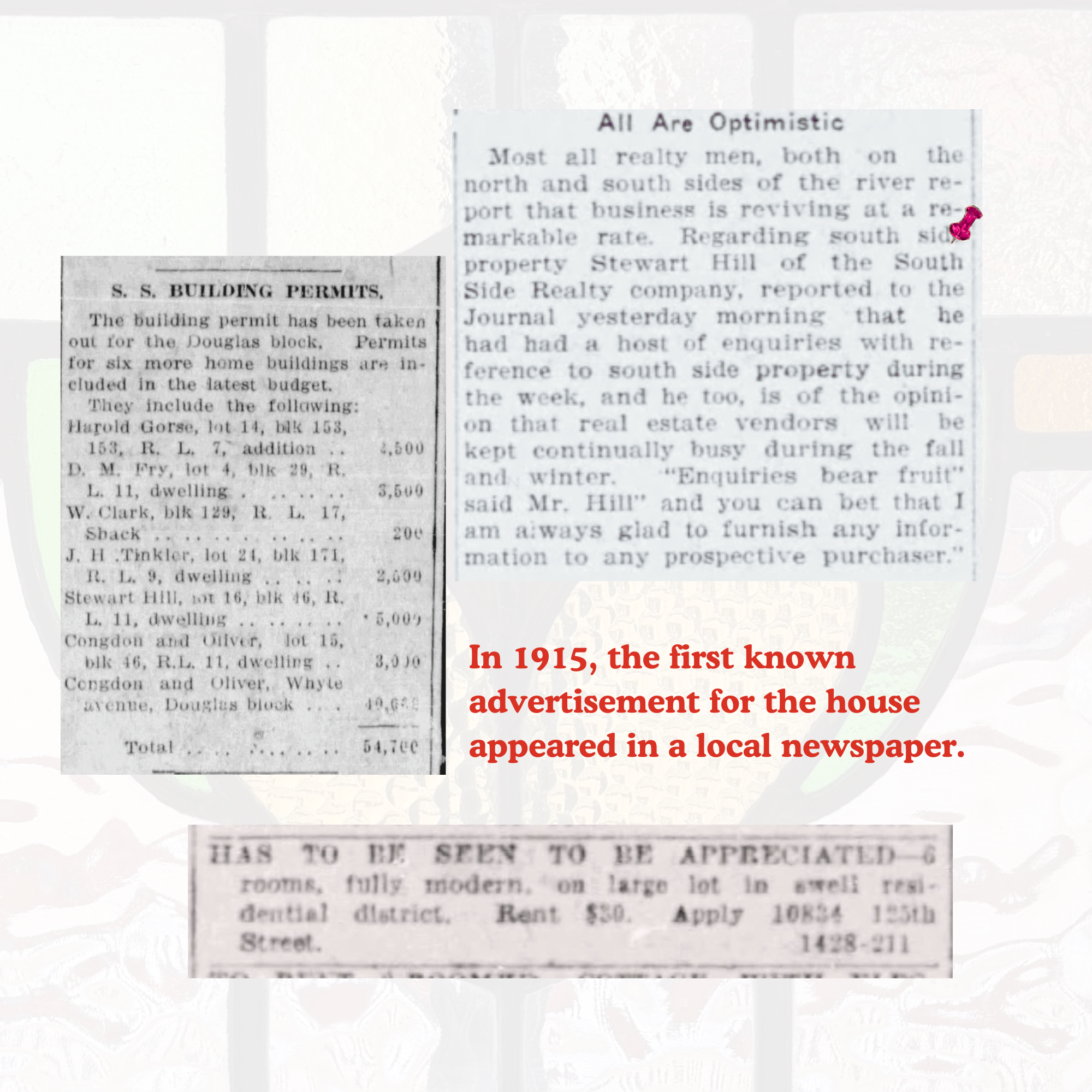
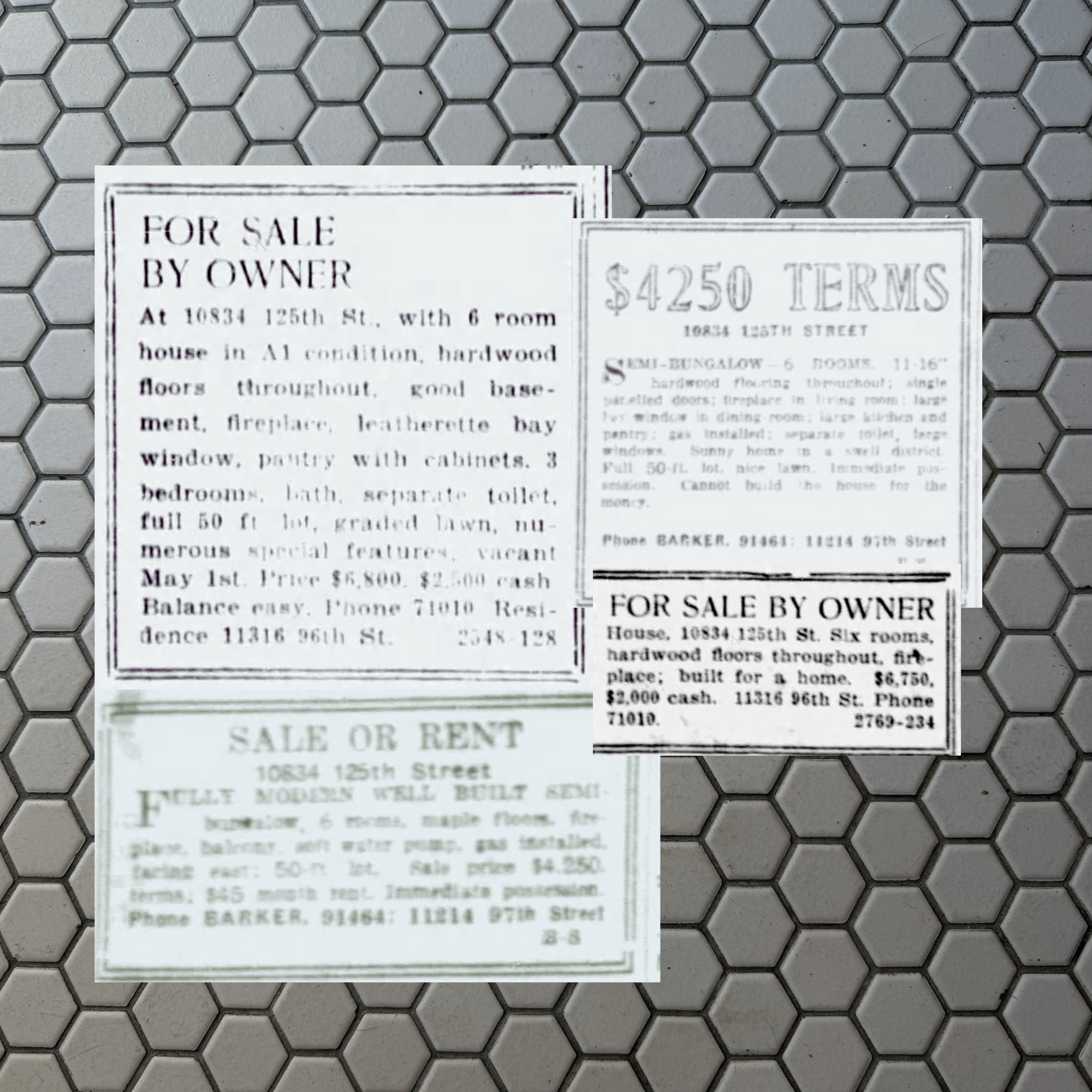
In the summer of 1912, developer and realtor Stewart Hill of the South Side Realty Company obtained a building permit for a residence on Lot 16, Block 46, River Lot 11.

The estimated construction value was $5,000.

The City of Edmonton records the Charles Barker Residence as having been constructed in 1912 by Hill, and the Alberta Register of Historic Places likewise dates the house to that year.

The residence reflected the Craftsman influences appearing in Edmonton's residential architecture at the time.

It was a one-and-a-half-storey wood-frame house with a gabled roof, cedar shingles, wood clapboard siding and an enclosed front verandah. Its details included exposed rafters, large eave brackets, a projecting bay window and an exterior brick chimney.

More than a century later, those elements still define the house from 125 Street.

The house had been built.

Now it needed people to make it a home.


Charles and Mabel Barker

By 1915, Charles Barker was living at 10834 125 Street, making the Barkers the first known occupants associated with the completed residence.

The City of Edmonton's Statement of Significance identifies Charles as the first recorded person to live in the house and notes that several individuals and families followed him over the century that came after.

Charles and Mabel's connection to Edmonton had begun several years earlier. They had come west during the period when the city was attracting professionals, tradespeople, railway workers and entrepreneurs from across Canada.

Their time at 10834 became significant enough that, decades later, the residence would formally carry Charles's name.


1919–1928: A Changing Edmonton

Following the First World War, Edmonton entered a very different period from the extraordinary expansion in which 10834 had been built.

The optimism and speculation of the pre-war years had receded. Development slowed. The city began the more gradual work of recovering from war and the collapse of the earlier land boom.

During these years, a succession of owners called 10834 125 Street home.

Roderick Matheson is recorded at the residence in 1919, followed by Fred Hendorn in 1920.

In 1922, ownership passed to Edwin R. Dunk, who remained until 1925.

Dunk would later live only a short distance away on 125 Street. When he died in 1933 at the age of fifty, his obituary recorded his wife Alice and children Frank and Marion, along with his connections to the Northwestern Manufacturing Company and the Edmonton Rotary Club.

In 1926, Gerald L. Law became the next owner.

Law had come west from Ottawa as a civil engineer and official with the Grand Trunk Pacific Railway, bringing his family to a city whose extraordinary early growth had been closely connected to railway expansion.

The Laws remained at 10834 through 1928.

Then came one of the longest periods of ownership in the house's history.


Leonard and Violet Chappel: 1929–1964

In 1929, Leonard and Violet Chappel became the owners of 10834 125 Street.

They would remain for thirty-five years.

Leonard's life was closely connected to the railway.

Born in Winnipeg, he began working for the Canadian Pacific Railway in 1900. After returning to the company in Calgary as a telegraph operator in 1910, he became a dispatcher in 1912 and later worked in Macleod, Lethbridge and Calgary before transferring to Edmonton in 1918.

By the time he retired in 1950, Chappel had spent fifty years with the CPR, including thirty-two years as a train dispatcher in Edmonton.

The period in which Leonard and Violet occupied 10834 was extraordinary.

They acquired the house as the Great Depression began.

They remained through the Second World War.

Then they watched Edmonton enter the post-war era, when population growth and suburban expansion began transforming the scale and physical form of the city.

The Edmonton the Chappels knew when they moved into the house in 1929 was profoundly different from the Edmonton they knew when they left in 1964.

Through all of it, 10834 remained their home.


The Frey Years: 1965–1989

Edgar Frey became the owner of 10834 125 Street in 1965.

He would hold the property for more than twenty years, until 1987, when it passed to his son. Together, the Frey family's ownership extended for twenty-four years.

Once again, Edmonton changed enormously around the house.

The oil economy reshaped the city. The population expanded. Suburban Edmonton pushed farther outward. The skyline changed.

In 1978, Edmonton hosted the Commonwealth Games and opened its first LRT line. The following decade brought a dramatically different economic climate as Alberta entered the downturn of the 1980s.

Through the boom and the years that followed, 10834 remained in the Frey family.

Then, at the end of the 1980s, the house entered the period of ownership that would change it more substantially than any other in its documented history.


Jodi and Michael Abbott

In 1989, Jodi and Michael Abbott became the next owners of 10834 125 Street.

The house was approaching eighty years old. What followed was more than three decades of work.

Some projects revealed parts of the original residence that had disappeared beneath later alterations. Others renewed the structure and systems required to carry an early twentieth-century house into the twenty-first.

Linoleum glued over the hardwood floors was removed.

Bathrooms were refurbished. The kitchen was renovated. The rear entrance was reconfigured to create a small vestibule and main-floor bathroom. Plumbing was replaced and the electrical system upgraded with new panels.

Then came the woodwork.

Some of the doors had accumulated as many as five coats of paint. Much of the trim had been stained an extremely dark brown. For roughly two years, Jodi and Michael stripped and scraped the woodwork by hand, gradually revealing the lighter wood beneath.

The work required time because the objective extended beyond renovation.

They were learning what was still there.


The Kitchen Evolves

The kitchen changed over the Abbott years as the house continued adapting to contemporary life.

Granite countertops, stainless steel appliances and a gas range brought modern function into the room.

Additional cabinetry provided thoughtful storage.

Above it all came one of the home's most memorable interior features: an elaborate pressed-tin ceiling.

The result reflects the approach visible throughout 10834.

New materials entered the house without flattening the layers that preceded them.

Today wood, stone, stainless steel, stained glass and pressed metal share the same room.


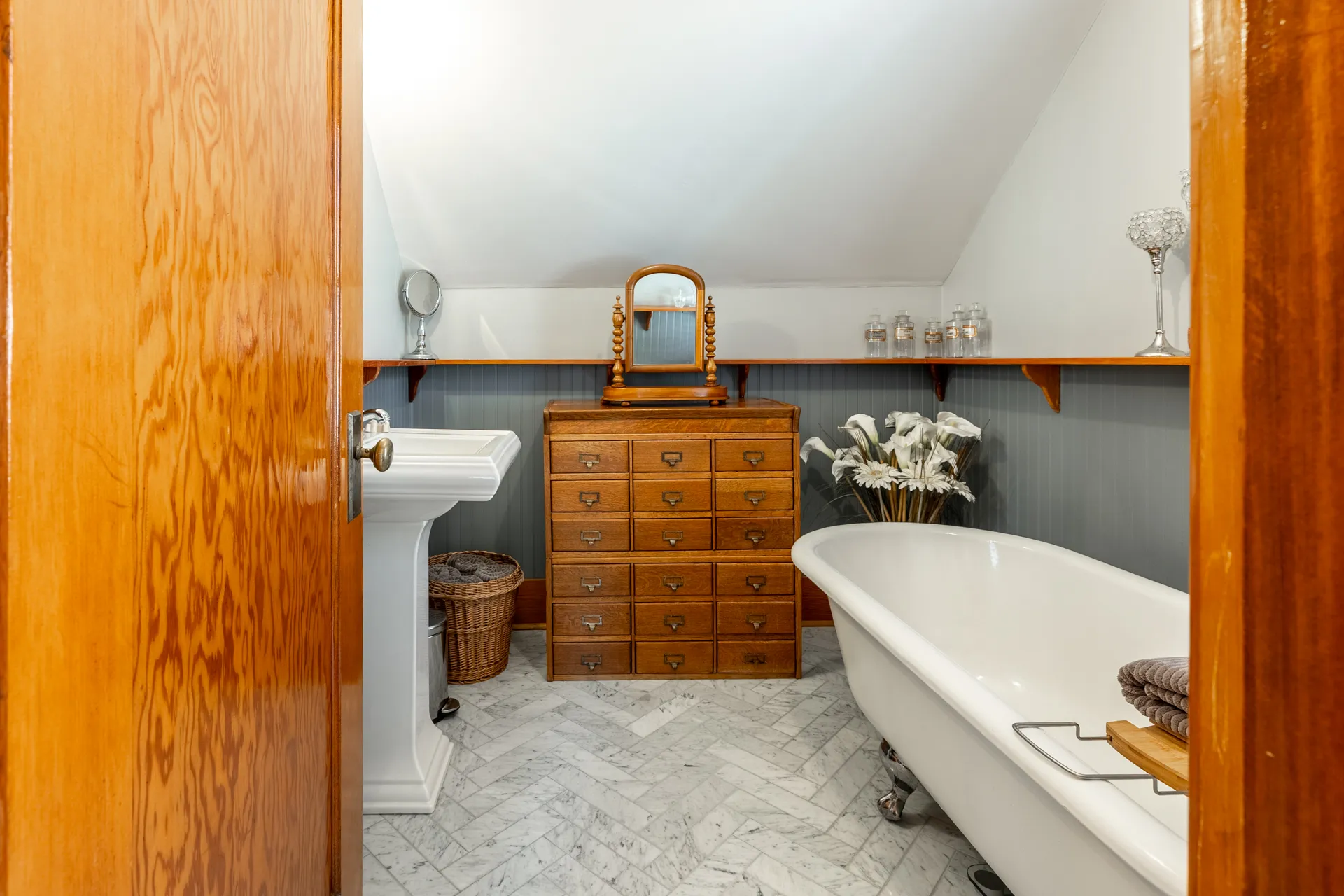
Rediscovering the Claw-Foot Tub

Another discovery came upstairs.

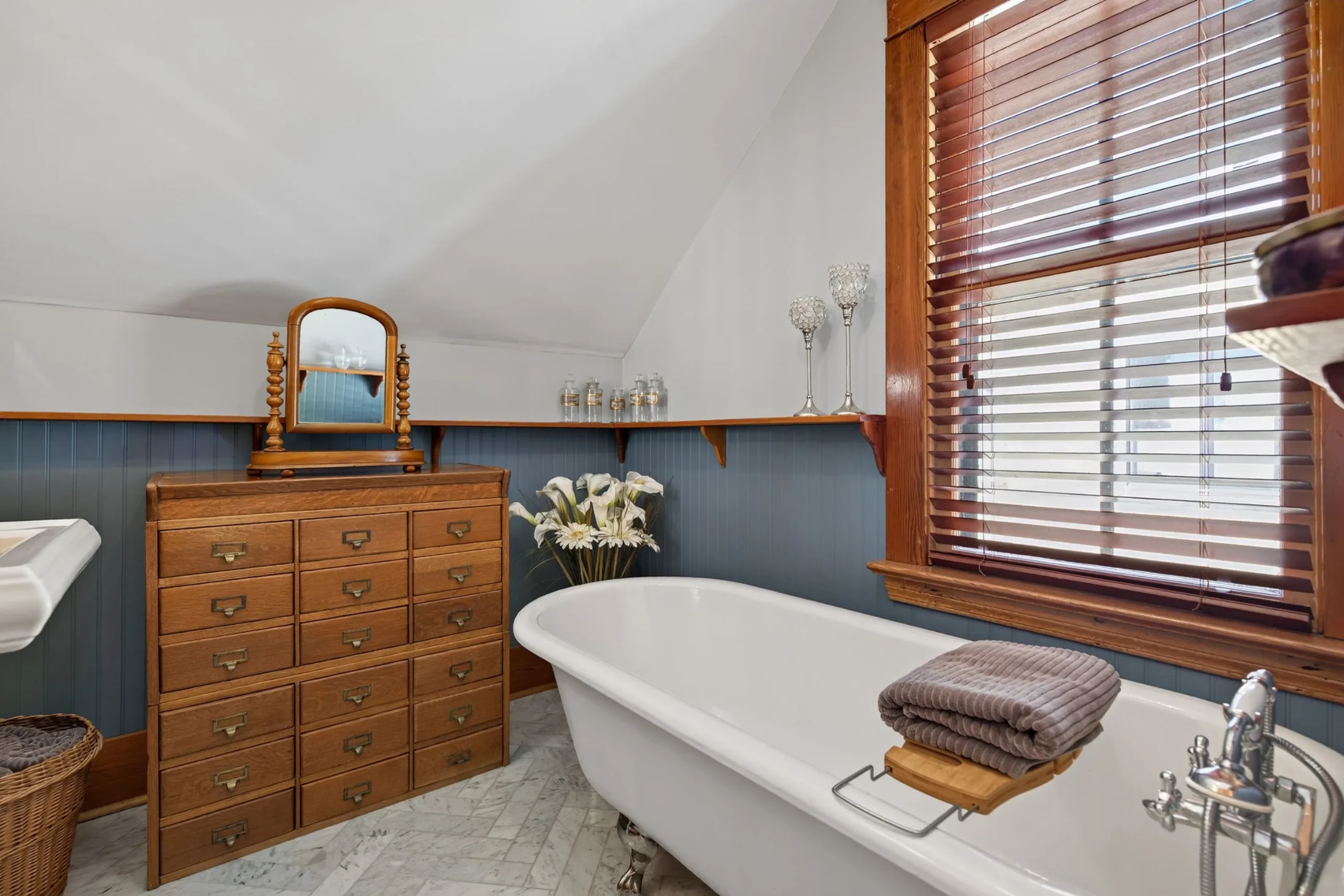
The original cast-iron bathtub had been enclosed beneath later tilework.

During the bathroom renovation, it was uncovered.

Jodi and Michael restored the claw-foot tub rather than removing it.

Later work brought marble flooring and other improvements to the bathroom while the original tub remained.

Sometimes preservation begins with recognizing what you have found.


2003: The House Is Lifted

Then came the largest undertaking in the documented history of 10834.

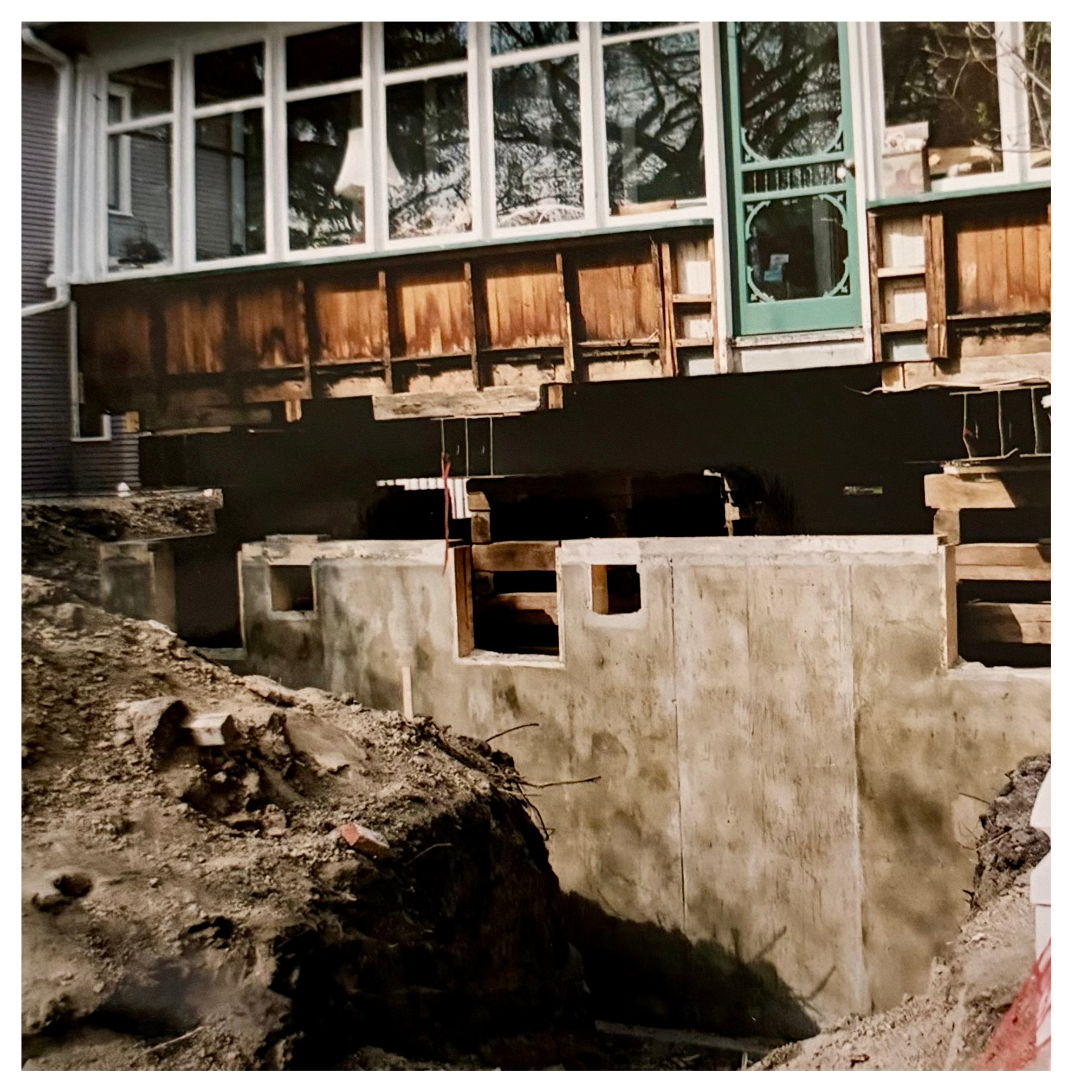
In 2003, the entire house was raised from its foundation.

The original brick basement was removed. The ground beneath the residence was excavated deeper. New sewer and water lines were installed. A new concrete foundation was constructed beneath the historic house, extending beneath both the front porch and rear addition.

The deeper excavation fundamentally changed the lower level.

In-floor heating was installed, along with a full bathroom, substantial storage and finished living space. What had once been the basement of a 1912 house became a full-height finished level with ceilings approaching nine feet and more than 900 square feet of usable space. The project represents perhaps the clearest expression of what happened at 10834 during the Abbott years.

The house remained. The structure supporting it was renewed for the decades ahead.


2004: The Charles Barker Residence Is Formally Recognized

One year later, another important chapter became official.

On July 27, 2004, the City of Edmonton designated the Charles Barker Residence a Municipal Historic Resource under Bylaw 13684. The property is also recorded by the Alberta Register of Historic Places and was subsequently listed on the Canadian Register of Historic Places.

The designation recognized the house as an important architectural and historical example of an Edmonton single-family dwelling with Craftsman influences from the pre-First World War period.

It also formally identified the exterior elements that give the residence its architectural significance: the gabled roof and shed dormer; enclosed verandah; wood clapboard siding and cedar shingles; historic window patterns; exposed and scalloped rafters; large eave brackets; projecting bay window; contrasting trim; and exterior brick chimney.

The designation established which elements deserved to be carried forward as the house continued to evolve.


The Work Continues

The designation was another chapter rather than an ending. Jodi and Michael continued caring for the house. The garage floor was replaced.

Drainage was improved. Gardens continued to develop. Exterior work continued. The cedar-shake roof was replaced in 2023, maintaining one of the materials central to the architectural character of the residence.

Central air conditioning followed in 2025.

Michael died in 2021, after 38 years of marriage.

Jodi continued caring for the property in the years that followed, carrying forward the work they had begun together.


The Gardens

The history of 10834 is visible beyond its walls.

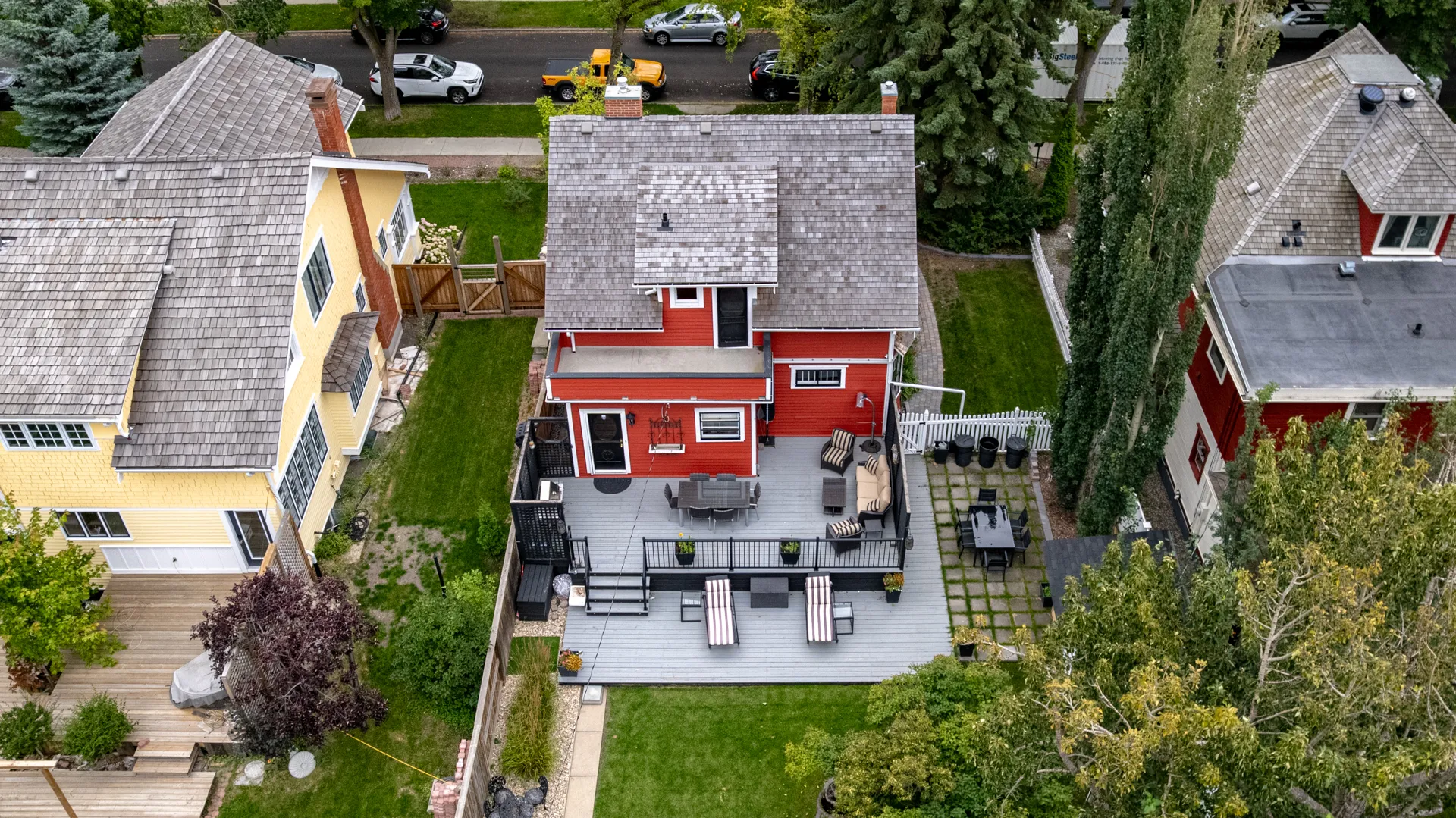
The property occupies a substantial lot in Westmount, and decades of care have given the grounds the same sense of accumulation found inside the house. The west-facing backyard is framed by mature trees and established fruit trees. Perennial beds move through the landscape. A pond and fountain sit among the greenery.

A substantial two-tiered deck extends the house into the garden, creating space for dining, entertaining and long summer evenings in the western light.

The property is fully fenced, front and back, with newer fencing through much of the rear yard. An oversized double detached garage, new garden shed and exterior gas line add the practical pieces. At the eastern front of the house, the enclosed sunroom looks over the front garden and 125 Street.

Upstairs, a west-facing terrace looks in the opposite direction, over the backyard and mature canopy.

Morning light at the front. Evening sun over the gardens at the back.


The House Today

More than a century after Stewart Hill obtained the original building permit, the Charles Barker Residence remains unmistakably connected to the house constructed here in 1912.

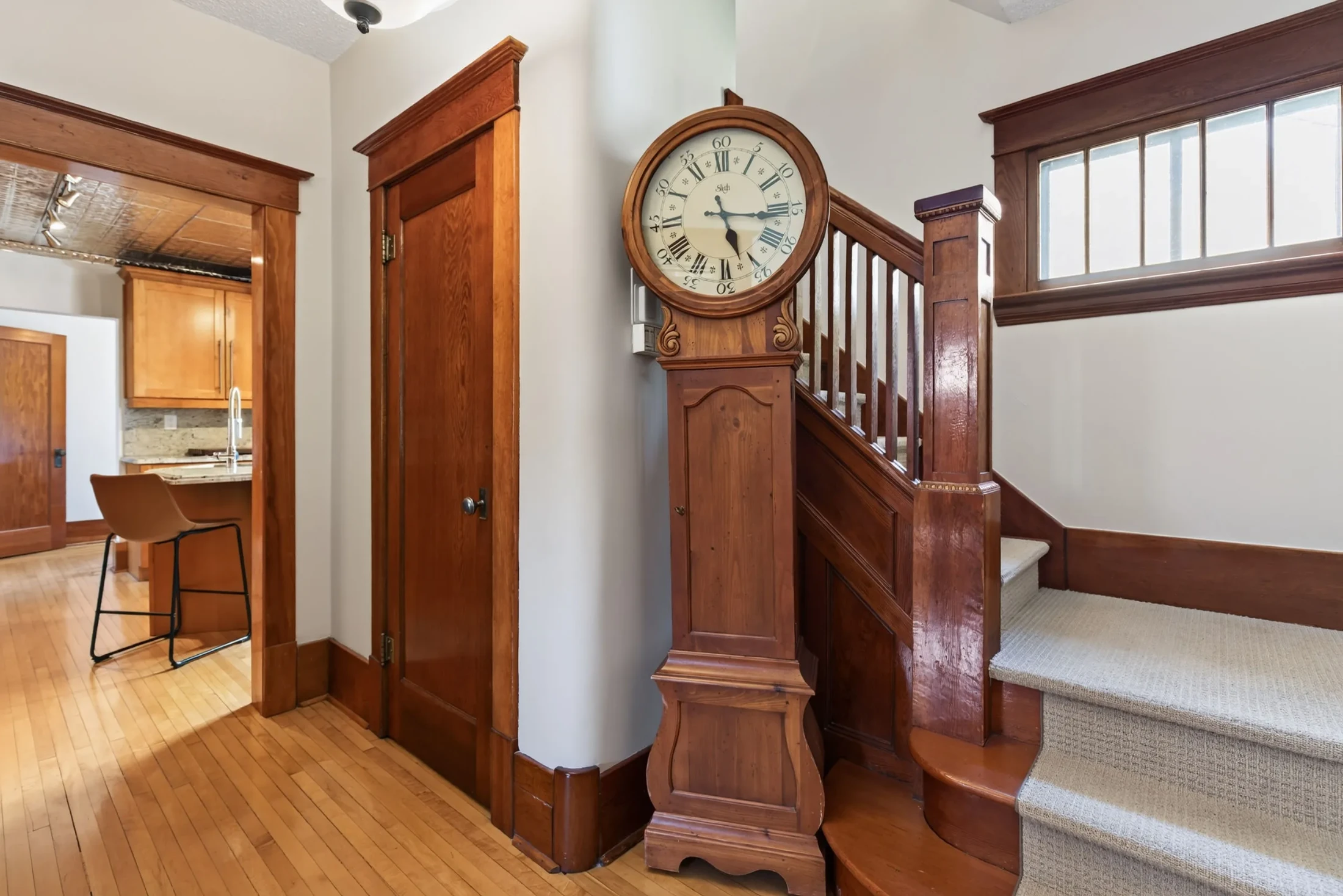
The original hardwood remains. So does substantial millwork, glass pocket doors, old hardware, built-ins, the enclosed verandah, restored claw-foot tub and the proportions of an early Westmount residence.

There is texture everywhere. Wood. Brick. Glass. Marble. Pressed metal. Wallpaper. Colour.

Around those original elements, generations have continued improving the house.

The kitchen evolved.

Bathrooms changed.

Systems were replaced.

The foundation was rebuilt.

The basement became genuine living space.

The gardens matured.

The roof was renewed.

Modern comfort arrived.

What was exceptionally well made in 1912 remains exceptional today.


114 Years at One Address

The history of the Charles Barker Residence is ultimately much larger than the name on its designation.

Stewart Hill built it. Charles and Mabel Barker became its first known occupants.

The O'Grady story connected it briefly to soldiers returning from the First World War.

Matheson, Hendorn, Dunk and Law followed.

Leonard and Violet Chappel stayed for thirty-five years.

The Freys held it for twenty-four.

Jodi and Michael Abbott spent more than three decades restoring and renewing it.

Every period left something behind.

That is how hardwood worn by generations remains beneath your feet.

That is how trees become enormous.

That is how a house built when Westmount itself was young becomes part of the architectural identity of the neighbourhood.

And that is why the history matters.

10834 125 Street has remained a home for more than a century because generation after generation decided it was worth caring for.

Now, for the first time since 1989, the Charles Barker Residence is ready for someone new.


The Charles Barker Residence

10834 125 Street NW · Westmount · Edmonton, Alberta

Built 1912
Designated Municipal Historic Resource 2004
3 bedrooms
2.5 bathrooms
1,463 sq. ft. above grade
912 sq. ft. developed lower level
2,375+ sq. ft. total developed living space
696 m² lot
Oversized double detached garage

Offered at $874,900

For additional information 

To arrange a private viewing:

Caitlin Heine
Iconic YEG · RE/MAX Real Estate
587-336-3176

Read

$213,500 Over Asking: How the Right Marketing Created Competition for this Laurier Heights Home.

Seven offers. 100+ open house visitors. 15 private showings. Three days on market. A case study in what happens when preparation, positioning and marketing work together.

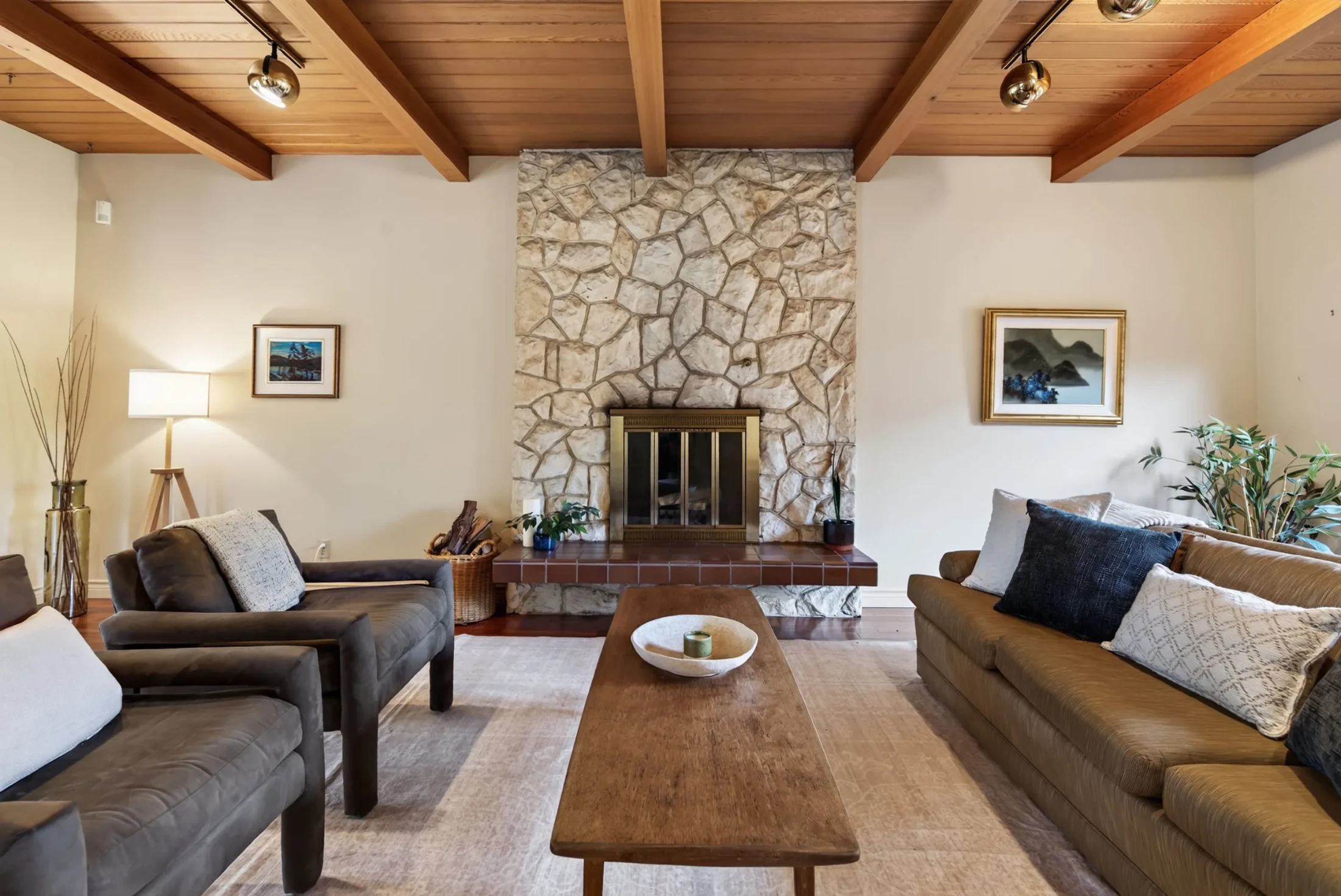
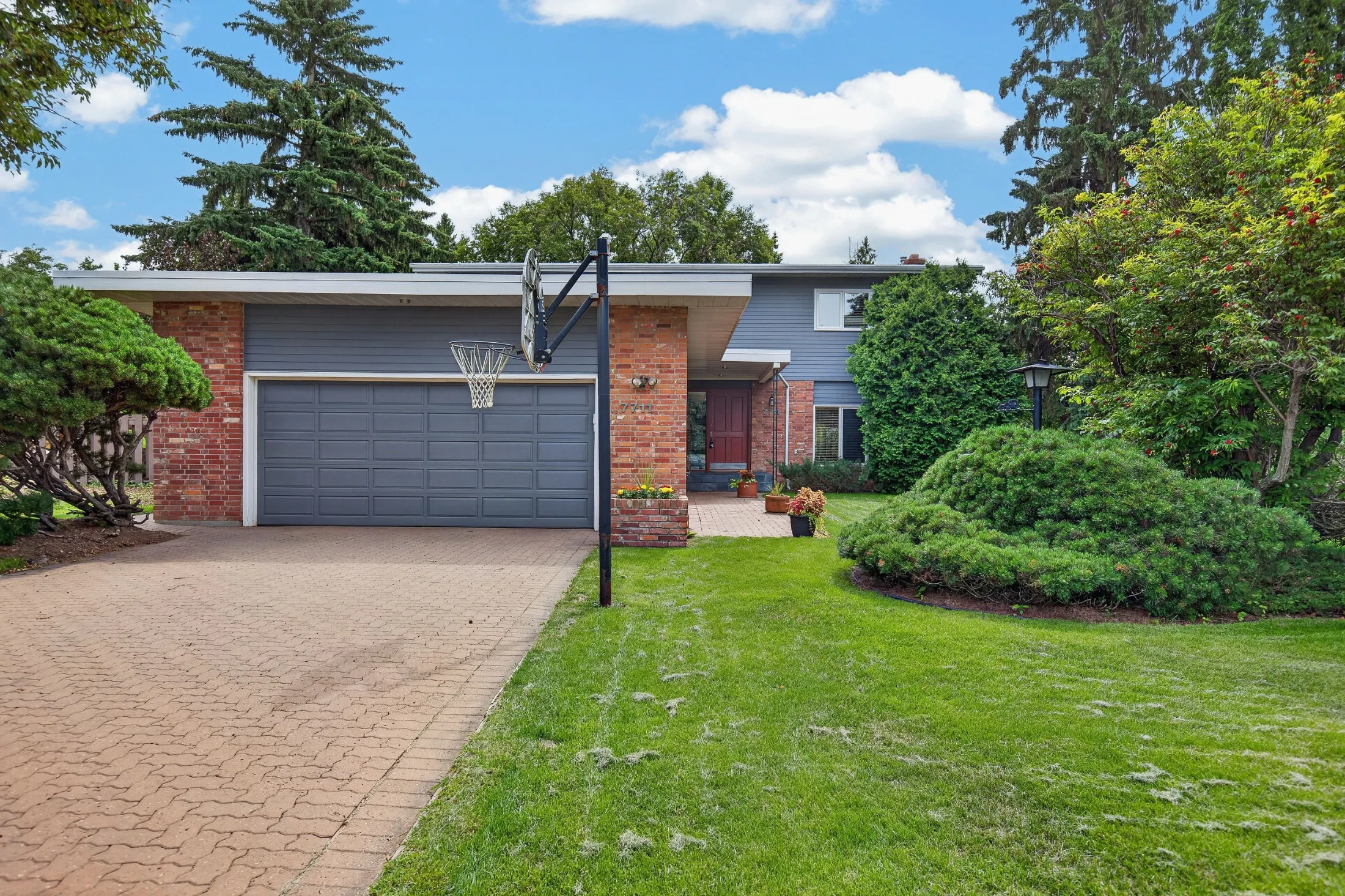
7711 139 ST. Set on a 12,922 sq. ft. lot in East Laurier Heights, the 1963 home had the kind of architecture Edmonton simply doesn't build very often anymore: dramatic wood ceilings, exposed structural beams, natural stone, expansive windows, three fireplaces, more than 3,450 sq. ft. of finished living space, four bedrooms together upstairs and a three-season sunroom overlooking a mature landscape.

It had also been owned and cared for by the same family for 40 years.

There was never a question that the property was special.

After three days on the Market, after 15 private tours, over 100 visitors to the open house, we received 7 offers.

Sale Price: $1,462,500

$213,500 over asking.

That result didn't happen because we simply put a rare property on MLS and waited.

It started much earlier.


First, We Had to Understand What We Were Actually Selling

At nearly 13,000 sq. ft., the lot itself had significant value.

This is East Laurier Heights, an established central Edmonton neighbourhood where large parcels of land are finite and redevelopment continues to transform the housing stock. The obvious marketing strategy would have been easy:

Big lot. Great location. Redevelopment opportunity.

And developers absolutely needed to be part of our buyer pool. But focusing too heavily on redevelopment would have reduced a remarkable home to the dirt underneath it. We saw another buyer entirely. A family who would walk through the front door and look up. Someone who would notice the wood ceilings and exposed beams. Someone who would appreciate the enormous natural-stone fireplace rather than immediately imagine removing it. Someone who would understand how unusual it is to find four substantial bedrooms together upstairs in a mature central Edmonton home. Someone who would see the walls of windows, mature trees, sunroom, oversized rooms and enormous yard and think:

I want to live here.

Those two buyers—the developer and the family—could assign value to the same property for completely different reasons. Our job was to reach both. Because the more qualified buyers who can see value in a property, the stronger its position becomes when it reaches the market.


The House Needed to Look Like a Home Worth Keeping

This was especially important. A 1963 home can be presented in very different ways. Empty it completely, photograph the rooms and emphasize the lot dimensions, and buyers may begin looking at it primarily as land. Instead, we staged the property.  Not to make it look like a new build.

We wanted the architecture to make sense to buyers in 2026.

Furniture helped establish the scale of the principal rooms. Thoughtful placement drew attention toward the fireplace, windows and architectural lines. The presentation helped buyers understand how the spaces could function today without taking away the elements that made the house distinctive in the first place.

The goal was never to make 1963 look like 2026.

The goal was to show buyers why the best parts of 1963 were worth keeping.


Then We Built Marketing Around What Made It Different

MLS is incredibly important. But MLS is a database. It gives buyers bedrooms, bathrooms, measurements, photographs, property details and remarks. For 7711, that wasn't enough. We wanted buyers to understand the property before they ever walked through the door. So we built an entire campaign around it.

Professional Photography

The photography wasn't simply documenting rooms. We wanted to capture the architecture. The height of the ceilings. The warmth of the wood. The scale of the natural stone. The relationship between the windows and mature landscape outside. The size of the rooms. And the way natural light moves through the house.

Drone Photography

With a 12,922 sq. ft. lot, understanding the land from ground level alone is difficult. Drone photography gave buyers another perspective. They could see the shape and scale of the parcel, mature tree canopy, backyard, relationship between the house and land, and the property's position within East Laurier Heights. For redevelopment-minded buyers, that information was valuable. For families, it showed just how extraordinary the setting was.

Virtual Tour

We also created a virtual tour so buyers could move through the property online rather than relying exclusively on still photographs. For a house this large and architecturally unusual, understanding how the rooms connect matters.

Floor Plans

Measurements become much more useful when buyers can actually see the layout. The floor plans showed how 2,434 sq. ft. above grade, another 1,018 sq. ft. of developed basement, and the additional three-season sunroom worked together. They also made one of the home's most important practical features immediately obvious: Four bedrooms together upstairs.

A Dedicated Property Landing Page

Then we went considerably further than MLS. We built 7711 its own property websiteInstead of presenting buyers with one long block of listing remarks, we broke the story apart. 

We provided photography, floor plans, virtual-tour access and detailed information about East Laurier Heights and the surrounding river valley. The purpose wasn't to add more marketing for the sake of having more marketing. It was to answer the questions that couldn't be answered properly in an MLS description. And throughout the campaign, one line brought everything together:

Know what is irreplaceable when you see it.

That became the positioning for the property.


We Were Selling Laurier Heights Too

At this price point, buyers aren't simply choosing a house. They're choosing where they want to live. So East Laurier Heights needed to be part of the story. The mature trees. Laurier Heights School. Buena Vista Park. Sir Wilfrid Laurier Park. The Edmonton Valley Zoo. River valley trails. Central access. Large established lots. And a residential landscape where decades of architecture exist alongside thoughtful new development. The property made more sense once buyers understood its surroundings. That neighbourhood content also gave buyers who weren't intimately familiar with Laurier Heights an opportunity to understand why the location commands attention.

The house, the land and the neighbourhood were all part of the same value proposition.


Then We Let Buyers Experience It

Digital marketing can create interest. At some point, buyers still need to walk through the door.

And they did.

Within only three days on market, 15 private showings were scheduled. Then came the open house.

More than 100 people walked through 7711 in two hours.

That's not simply a nice attendance statistic.

It matters strategically.

An active open house allows buyers to physically see that other people are interested in the same property. They aren't viewing the home in isolation and wondering whether anyone else sees what they see. They're seeing other buyers arrive. They're seeing people spend time in the rooms. They're hearing activity around them. The market becomes visible.

And when genuine demand exists, that matters.


Seven Buyers Decided They Wanted It

By offer time, our sellers had received seven offers. That is where all of the work leading up to launch became important. The objective of marketing isn't simply exposure. Thousands of social-media views mean very little if they don't translate into qualified buyers. The real objective is to create the largest possible pool of people who:

understand the property,

see its value,

have the ability to purchase it,

and ultimately,

want it enough to compete for it.

The property had been listed for $1,249,000.

The successful offer was:

$1,462,500


The Market Determines Value. Our Job Is to Build the Best Possible Market

A Realtor cannot manufacture the underlying value of a property. We didn't create the 12,922 sq. ft. lot.  We didn't plant the mature trees decades ago. We didn't create East Laurier Heights.

And marketing cannot make buyers pay an unlimited amount for something the market doesn't value.

What good real estate marketing can do is make sure the property reaches the people most likely to value it—and give them enough information to understand why it deserves their attention. Then those buyers determine what they're willing to pay.

For 7711, our strategy was deliberately broad. Developers could see the land. Architecture-minded buyers could see the design. Families could see themselves living there. Location-driven buyers could understand East Laurier Heights. Buyers unfamiliar with the property could experience it online before booking a showing.

Instead of deciding in advance who the buyer would be, we gave the market multiple reasons to care.r.


A Special House Still Deserves Exceptional Marketing

It would be easy to look at the result and say:

"Of course it sold. Look at the house."

And yes.

The house mattered enormously. That's exactly why the marketing mattered too.

When a seller owns something distinctive, the goal shouldn't be to assume buyers will figure it out. The goal should be to identify every meaningful source of value and make it impossible to overlook.

Sometimes that's a renovation. Sometimes it's the floor plan. Sometimes it's architecture. Sometimes it's income potential. Sometimes it's the neighbourhood. Sometimes it's the land.

We didn't need to invent a story for this property.

We needed to tell the one that was already there.


After 40 Years, the Result Mattered

There was another reason we took the preparation so seriously.

Our sellers had owned this home for 40 years. This wasn't a property they purchased a few years ago and decided to flip when the market changed.

It was their home for four decades.

When someone entrusts us with a property like that, our responsibility is both financial and personal. They only get to sell it once. We wanted to know that when it was finally exposed to the market, we had done everything reasonably possible to let that market respond.

A remarkable conclusion to one family's 40 years at 7711, and the beginning of the home's next chapter.


Thinking About Selling an Edmonton Home?

You don't need to own a mid-century architectural home on nearly 13,000 sq. ft. of land for strategy to matter.

In fact, identifying what separates your property from everything else buyers are considering can be even more important when the differences are subtle. Before I recommend a price or marketing plan, I want to understand the property.

Who is most likely to buy it?

What will they value?

Who else could we appeal to?

How should the home be prepared?

What does the photography need to communicate?

What information will buyers need beyond MLS?

And how do we position the property so the market has the best possible opportunity to respond?

Because selling a home isn't simply about putting it on the market.

It's about making sure the market understands what it's being offered.

If you're considering selling in Laurier Heights, Edmonton's mature neighbourhoods, or anywhere in Central Edmonton area, I'd be happy to talk through what that strategy could look like for your property.

FREE HOME EVALUATION

Caitlin Heine, REALTOR®
Iconic YEG Real Estate Team | RE/MAX Real Estate
587-336-3176

Your home only sells once. Make the market notice it.

Read

NEW LISTING: 7711 139 Street NW in Edmonton

I have listed a new property at 7711 139 Street NW in Edmonton. See details here

Built in 1963 and set on an extraordinary 12,922 sq. ft. lot in East Laurier Heights. Dramatic wood ceilings, exposed beams, natural stone and expansive windows celebrate the architecture and its connection to the mature landscape. Offering 2,434 sq.ft. above grade plus 1,018 sq.ft. of developed basement, with 5 bedrooms, 3.5 baths, a main-floor den and the rare advantage of 4 generous bedrooms together upstairs. Three fireplaces include a striking wood-burning stone fireplace, plus gas fireplaces in the lower family room and three-season sunroom—additional space beyond the registered measurement. Brazilian Tiger Wood floors, updated windows, new roof, primary bedroom A/C and oversized attached double garage. Owned and loved by the same family for 40 years. Steps to Laurier Heights School and minutes to the river valley, Buena Vista Park, Laurier Park & Valley Zoo. Know what is irreplaceable when you see it.

Read
Categories:   14810 | 2024 Edmonton Real Estate | 2024 Home Buyer | 2025 | 2025 Buyers | 2025 Edmonton Real Estate | 2025 Investment in Edmonton | 2025 Outlook | 2025 Sellers | 55+ Condos in Edmonton | Adult Living | affordable Edmonton real estate | age in place | AI and Real Estate | Airbnb-friendly condos Edmonton | Akinsdale Homes for Sale | Akinsdale St. Albert real estate | Alberta Avenue | Alberta housing affordability | Alberta real estate trends | Allisha Mckenzie | apartment | arthouse | assumable mortgage | Bank of Canada | Bank of Canada interest rate April 2026 | Beaumont | Beaumont, Beaumont Real Estate | Best Communities | Blatchford | Bon Accord | Bon Accord, Bon Accord Real Estate | Bonnie Doon | Bonnie Doon development | boom and bust | boss | Boyle Street Edmonton real estate | Boyle Street real estate | brewerydistrict | builder | business | Buyer Guide | Buyer Tips | Buyers Agent | buyertips | Buying | buying a condo in Edmonton | Buying a Home in Edmonton | buying and selling homes | Caitlin Heine | Caitlin Heine Iconic YEG Realtor | Calgary | Calmar | Canada Real Estate | central Edmonton homes for sale | Character Home for Sale | Character Homes Edmonton | Charles Barker Residence | Chat GPT | ChatGPT in Real Estate | Choosing a Real Estate Agent | City of Edmonton | Coming Soon | Commercial Real Estate | Condo | condo document review Edmonton | condo for sale Edmonton | condo reserve fund Alberta | condos for sale in Bonnie Doon Edmonton | Crestwood | Crestwood Edmonton | Crestwood Homes for Sale | Crestwood Infill | culture | custom homes | December 2024 | decor | developers | development lot Edmonton | developments | Downpayment | downsizing in Edmonton | Downtown Edmonton condos for sale | Downtown Edmonton loft | Downtown Edmonton real estate | East Junction | East Village | edmontn | edmonton | Edmonton Affordable Housing | Edmonton architecture | Edmonton Buyer | Edmonton Character Homes | Edmonton Communities | Edmonton Community | Edmonton condo buyer guide | Edmonton condo for sale | Edmonton condo lifestyle | Edmonton condo listings | Edmonton condo with air conditioning | Edmonton Condos | Edmonton condos near U of A | Edmonton contractors women-owned | Edmonton first-time buyer homes | Edmonton Growth | Edmonton History | Edmonton home buying tips | Edmonton home listings July 2025 | Edmonton home prices 2025 | Edmonton home selling guide | Edmonton home selling tips | Edmonton homes for sale | Edmonton Housing Affordability | Edmonton Housing Density | Edmonton housing inventory | Edmonton housing market | Edmonton housing market 2025 | Edmonton housing market forecast | Edmonton housing market outlook | Edmonton Infill | Edmonton Infill Homes | Edmonton investment condo | Edmonton investment property | Edmonton loft for sale | Edmonton loft living | Edmonton lofts for sale | Edmonton LRT condos | Edmonton luxury condos | Edmonton luxury homes | Edmonton market insights | Edmonton Market Update | Edmonton Mature Neighbourhoods | Edmonton modern architecture | Edmonton Multiplexes | Edmonton neighbourhood trends 2025 | Edmonton new home construction 2025 | Edmonton pre-approval guide | Edmonton property market trends | Edmonton Property Taxes | Edmonton Real Estate | Edmonton real estate 2025 | Edmonton real estate 2026 | Edmonton real estate forecast | Edmonton real estate market | Edmonton real estate market 2025 | Edmonton real estate market 2026 | Edmonton real estate market update August 2025 | Edmonton real estate sellers | Edmonton real estate tips | Edmonton real estate trends 2025 | Edmonton real estate vendors | Edmonton REALTOR Caitlin Heine | Edmonton REALTOR® | Edmonton River Valley condo | Edmonton river valley homes | Edmonton Schools | Edmonton Urban Planning | Edmonton Zoning | el-mirador | embraceequity | Ermineskin Edmonton real estate | Exposed brick loft Edmonton | FHSA | first time condo buyer Edmonton | First Time Home Buyers | First-Time Home Buyer Edmonton | fixed vs variable Canada 2025 | for sale | forest heights | Funding | furniture | Government Incentives | GST Rebates | Hecla | Hecla Lofts | heritage loft Edmonton | Historic Edmonton Homes | Historic loft condos Edmonton | Historic loft Edmonton | Historical Homes | history | Holyrood, Edmonton Real Estate | Home Buyer | Home Evaluation | Home for Sale | Home Sellers | Home Selling Strategies | Home selling strategy Edmonton | Home Staging | homes | Homes for Sale | homes for sale in Akinsdale, St. Albert | homes for sale in Gold Bar Edmonton | Homes sold in Edmonton | Homes under $500K in Westmount | House For Sale | how rising rates affect buyers | How to sell a home in Edmonton | Ice District | ICONIC | Iconic Agent | Iconic Buyer Agent | Iconic Condos | Iconic Projects | Iconic Results | Iconic YEG | Iconic YEG Real Estate Team | infill development Edmonton | Interest Rates | interest rates Canada 2026 | Investment Properties | Investment Tips | Investors | Jaymen | Just Listed | Just Listed in Westmount | Lake Living | lakefront | Lakefront Homes | landscaping | Large family homes Edmonton | Laurier Heights | Laurier Heights Real Estate | Leadership | leasing | Leduc | Leduc Builders | Leduc Real Estate | lifestyle | Listing Photos | Living Here | Living in Crestwood: Neighbourhood Guide | Loft living Edmonton | Louie Pointe Edmonton | Ludovic Aubertin | luxury condo Edmonton | Luxury Homes | Maccosham Lofts | main floor condo Edmonton | Marketing | marketupdate | Marquis condo Edmonton | Meadowlark Condos | Meet Caitlin Heine | mid-century modern condos | Military | Mill Creek Ravine condos Edmonton | Millwoods | Montrose | mortgage brokers Edmonton | mortgage rate update August 2025 | move to Edmonton 2025 | moving | movingtoedmonton | Multi-generational home Edmonton | Multiple Offers | multipleoffers | Neighbourhood | New Construction | New Construction Crestwood | New Homes | New Listing | New Team Member | Off Market Listings | Old Strathcona | One Century Park condo | Parkdale | Parkview Edmonton Homes for Sale | Parkview Edmonton property values | Parkview Edmonton real estate | Pet Friendly | Pet Friendly Condo Edmonton | pet-friendly condos Edmonton | Pollard Meadows | Preperation | Prince Charles | Prince Rupert | projects | property owners | Property Taxes | purpose built rental | Queen Alexandra | Queen Mary Park real estate | Ramsay Heights condos | Ramsay Heights real estate | Real Estate Advice | real estate lawyers Edmonton | Real Estate Marketing | Real Estate Negotiation | Real Estate Process | Rebates | relocating | REMAX | REMAX Edmonton | REMAX Edmonton real estate | REMAX Real Estate | renovations | rent | rental | rental culture | rising interest rates Alberta | river valley view condo Edmonton | riverdale | Riverdale character homes Edmonton | Riverdale Edmonton homes for sale | Riverdale Edmonton real estate agent | Rosenthal | RS zoning Edmonton | Rural Parkland County, Rural Parkland County Real Estate | sales managment | school | Search All Edmonton Listings | Seba Beach | sebabeach | Sell House | sellertips | selling | selling a home Edmonton 2025 | Selling a home in Edmonton | Selling a home in Parkview Edmonton | selling tips | services | Seventh Street Lofts Edmonton | Sherwood Edmonton real estate | Sherwood Park, Sherwood Park Real Estate | should I buy now Edmonton | should I sell my house Edmonton | south Edmonton condos | Southfork | Spruce Grove, Spruce Grove Real Estate | St. Albert, St. Albert Real Estate | St.Albert Homes | Stony Plain, Stony Plain Real Estate | strategy | Strathcona | Summit Drive Real Estate | Tariffs | Team | the galleria | The Quarters Edmonton | The Uplands Edmonton | Top 10 | ukraine | unique homes Edmonton | Urban Maxx Living Edmonton | vacant lot Edmonton | Warehouse District Edmonton | Warehouse loft for sale Edmonton | West Edmonton real estate | Westmount | Westmount Character Home | Westmount Edmonton | Westmount Homes for Sale | Westmount real estate | What's Your Home Worth? | Where to buy and why | Whyte Ave Edmonton condos for sale | Windermere | Winter Market | woman | womansday | women-owned businesses Edmonton | Yeg | YEG Infill | YEG Real Estate | Zone 01, Edmonton Real Estate | Zone 02, Edmonton Real Estate | Zone 05, Edmonton Real Estate | Zone 06, Edmonton Real Estate | Zone 07, Edmonton Real Estate | Zone 08, Edmonton Real Estate | Zone 09, Edmonton Real Estate | Zone 10, Edmonton Real Estate | Zone 12, Edmonton Real Estate | Zone 13, Edmonton Real Estate | Zone 14, Edmonton Real Estate | Zone 15, Edmonton Real Estate | Zone 16, Edmonton Real Estate | Zone 18, Edmonton Real Estate | Zone 19, Edmonton Real Estate | Zone 22, Edmonton Real Estate | Zone 23, Edmonton Real Estate | Zone 27, Edmonton Real Estate | Zone 28, Edmonton Real Estate | Zone 29, Edmonton Real Estate | Zone 30, Edmonton Real Estate | Zone 35, Edmonton Real Estate | Zone 55, Edmonton Real Estate | Zone 56, Edmonton Real Estate | Zone 58, Edmonton Real Estate
Data last updated on September 17, 2026 at 03:30 AM (UTC).
Copyright 2026 by the REALTORS® Association of Edmonton. All Rights Reserved.
Data is deemed reliable but is not guaranteed accurate by the REALTORS® Association of Edmonton.
The trademarks REALTOR®, REALTORS® and the REALTOR® logo are controlled by The Canadian Real Estate Association (CREA) and identify real estate professionals who are members of CREA. The trademarks MLS®, Multiple Listing Service® and the associated logos are owned by CREA and identify the quality of services provided by real estate professionals who are members of CREA.